
Industry analysis | Seattle Organic SEO | Updated November 2026
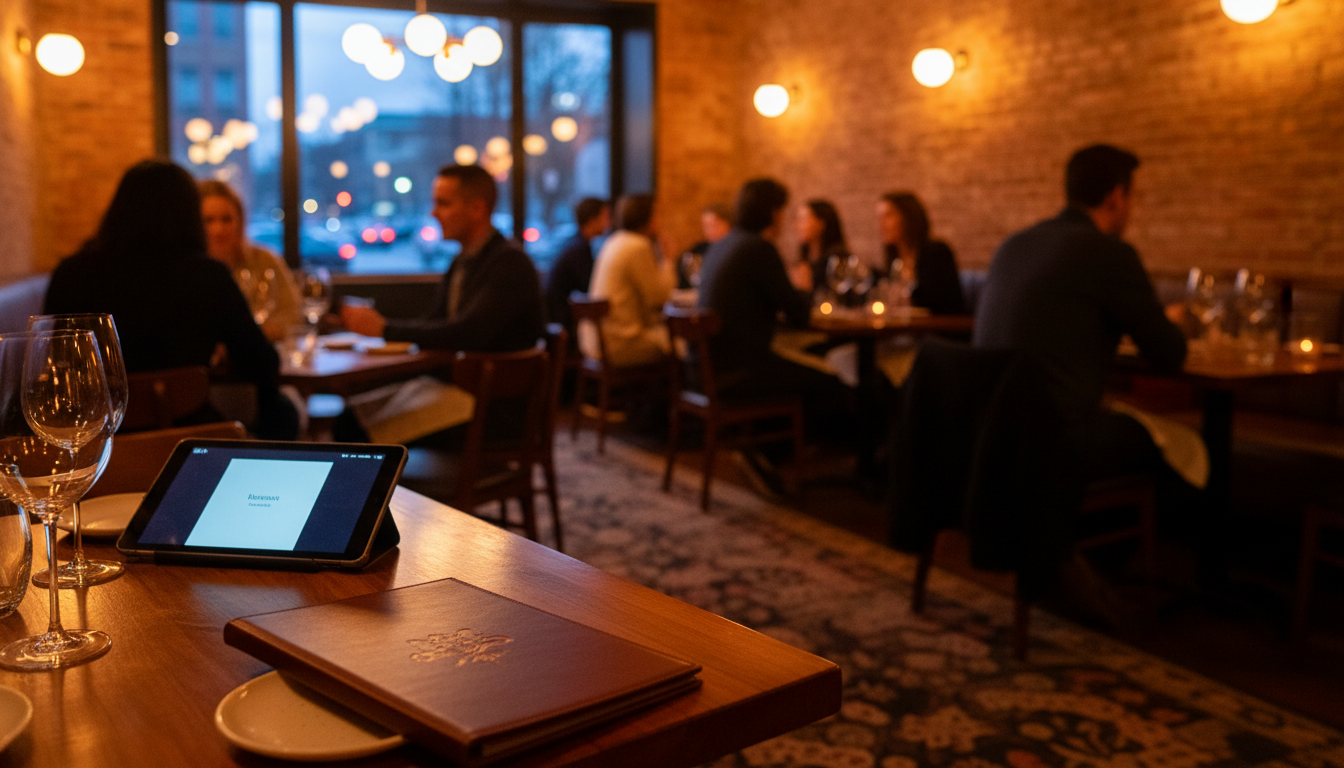
Imagine someone planning dinner for six: one vegetarian, one guest with a serious allergy, two children and a friend who uses a wheelchair. They ask an assistant for an Italian restaurant with outdoor seating and a reservation after 7 p.m. A polished photo and the words “authentic cuisine” may win attention, but they do not resolve the constraints that decide whether this restaurant makes the shortlist.
The full practical companion: This article now preserves 95 of its original practitioner questions across ten meaningful topics, alongside explanations and a worked example. The questions are research inputs, not a blueprint for 95 separate posts.
Dinner decisions happen at the intersection of taste and logistics
AI tools can help a diner generate options, yet the business’s operational facts remain the deciding evidence. Menus change, reservations sell out, prices shift and kitchen accommodations require individual confirmation. A restaurant website that hides its menu in an unreadable image or promises allergy safety without explaining limitations creates uncertainty at precisely the moment a guest wants confidence.
Discovery and occasion
How to address this decision: Decision stage: Discovery. How to answer: Describe cuisine, location, atmosphere and real use cases. Avoid duplicative occasion pages with unsupported superlatives.
Use these questions to build relevant, evidence-backed explanations, not isolated FAQ pages. Ask people who handle the actual service what a reader must understand, where exceptions apply and which details need direct confirmation.
- What type of food does your restaurant serve?
- Where are you located?
- Is your restaurant suitable for a quiet conversation?
- Is the atmosphere casual or formal?
- Is there a dress code?
- Are you suitable for families with children?
- Can I visit for a quick lunch?
- Is your restaurant suitable for a business meal?
- Do you offer outdoor seating?
- What makes your menu or dining experience distinctive?
Menu and availability
How to address this decision: Decision stage: Menu evaluation. How to answer: Maintain a crawlable text menu with prices and clear dates. Explain that availability can change and provide a direct confirmation route.
Use these questions to build relevant, evidence-backed explanations, not isolated FAQ pages. Ask people who handle the actual service what a reader must understand, where exceptions apply and which details need direct confirmation.
- Where can I see your current menu?
- Are menu prices up to date?
- Do you have a lunch menu?
- Do you serve brunch?
- Is there a tasting menu?
- Can I order à la carte?
- Do you have vegetarian dishes?
- Do you have vegan dishes?
- Which dishes are seasonal?
- How do I confirm that a specific dish is available today?
The menu is a publishing system, not merely a PDF
A useful current menu should be accessible as real text, grouped logically, with prices and explanatory details where practical. This makes it easier for guests to compare and for search technologies to interpret. A downloadable PDF can be convenient, but it should not be the only source of basic menu information. If dishes rotate, state how current the online menu is and direct readers to confirm availability.
The best restaurant websites are similarly precise about occasions. A ‘group dining’ page should describe approximate capacities, minimum spend or deposit arrangements if applicable, cancellation terms and the right contact. These facts do more to help a host decide than a dozen thin pages claiming the restaurant is “perfect for celebrations.”
Allergies and dietary needs
How to address this decision: Decision stage: Suitability. How to answer: Describe the kitchen’s actual assessment process and limitations. Ingredient absence does not establish absence of cross-contact; avoid unverified allergy-safe claims.
Use these questions to build relevant, evidence-backed explanations, not isolated FAQ pages. Ask people who handle the actual service what a reader must understand, where exceptions apply and which details need direct confirmation.
- How should I tell you about a food allergy?
- Can I speak with a manager before booking about an allergy?
- How do you check ingredients for allergens?
- Do you use shared fryers or preparation surfaces?
- Can you explain possible cross-contact risks?
- Can a dish be modified for a dietary restriction?
- Do you have gluten-free options and what does that mean in your kitchen?
- Can you accommodate celiac-related needs and what limits apply?
- How do you handle changes in ingredient suppliers?
- When would you advise a guest that you cannot accommodate a request?
Prices and bill expectations
How to address this decision: Decision stage: Cost. How to answer: Show typical ordering examples using current prices and state all additional charges. Do not bury service charges or deposit conditions.
Use these questions to build relevant, evidence-backed explanations, not isolated FAQ pages. Ask people who handle the actual service what a reader must understand, where exceptions apply and which details need direct confirmation.
- What is a typical meal price per person?
- Does the tasting menu price include drinks?
- Are tax and gratuity included in displayed prices?
- Do you add a service charge?
- How is a service charge different from a tip at your restaurant?
- Is there a minimum spend?
- Do you charge a corkage fee?
- Is there a cake-cutting fee?
- Can you split a bill?
Dietary questions require restraint
An AI assistant may infer that a dish is gluten-free because it contains no obvious wheat ingredient. That is not the same as a restaurant verifying ingredients, shared preparation surfaces and the capacity to accommodate a particular request. Restaurant content should make the process for communicating food allergies explicit while avoiding blanket guarantees.
Accessibility is equally concrete. Describe verified entrance, seating and restroom arrangements rather than relying on a generic accessibility icon. When something is uncertain, give a reliable contact route. The more complicated the guest’s request, the more important it is to distinguish public information from what staff must confirm.
Reservations and walk-ins
How to address this decision: Decision stage: Conversion. How to answer: Put accurate booking rules beside the reservation link. Distinguish a request from a confirmed table and avoid promising real-time availability on a static page.
Use these questions to build relevant, evidence-backed explanations, not isolated FAQ pages. Ask people who handle the actual service what a reader must understand, where exceptions apply and which details need direct confirmation.
- Do I need a reservation?
- Do you accept walk-ins?
- How far in advance can I book?
- Can I reserve a table online?
- Is a deposit required?
- What is your reservation cancellation policy?
- Is there a no-show charge?
- How long will you hold a late reservation?
- Do reservations have a dining time limit?
- How do I change the number of guests?
Hours and access
How to address this decision: Decision stage: Access. How to answer: Keep standard, holiday and kitchen hours consistent across real business listings. State access details that help someone plan the visit.
Use these questions to build relevant, evidence-backed explanations, not isolated FAQ pages. Ask people who handle the actual service what a reader must understand, where exceptions apply and which details need direct confirmation.
- What are your current opening hours?
- When does the kitchen close?
- Are holiday hours different?
- Where can guests park?
- Is there nearby public transit?
- Is there step-free access to the dining area?
- Is an accessible restroom available?
- Can you accommodate a wheelchair at the table?
- Can I request a quieter seating area?
A worked example: a reservation that exists only in the chatbot
Imagine an assistant responding, “This bistro has outdoor seating and a table at 7:30 tonight.” The first claim may be supported by a restaurant page; the second is not real-time availability unless a live reservation provider actually confirms it. A restaurant owner cannot solve the problem by publishing “tables available” across a static website. Instead, the site should link to a current reservation channel and explain what requires confirmation.
The same distinction applies to dietary accommodations. A menu label can communicate ingredients or a standard preparation, but an individual allergy request may depend on shared equipment and staff review. A compelling restaurant page can be hospitable while remaining precise about these boundaries. It should never transform a “may be able to accommodate” statement into a guarantee.
Operationally, identify which questions appear repeatedly in calls and reservation notes: parking, service fees, deposits, children’s menus, accessibility, group size or allergy procedures. Update pages that resolve those frictions. Success means guests arrive with realistic expectations and fewer last-minute surprises—not that an AI assistant merely mentions the restaurant.
A realistic competitive audit
Test three fictional meal scenarios: a quick lunch for one, a quiet business dinner, and a larger group with dietary restrictions. See whether assistants can identify the restaurant’s cuisine, location, current menu and booking method without inventing facts. A response that claims there is a table tonight is not verified availability unless a live booking provider confirms it.
Compare those observations with actual inquiries: Are callers repeatedly asking for menus, parking or private dining? Are guests surprised by service charges? Those are signals of informational friction that ordinary content and structured business details can reduce.
Groups and events
How to address this decision: Decision stage: Group conversion. How to answer: Publish capacity, menu options, minimum spends and cancellation terms. Make event inquiries specific enough to qualify an opportunity without collecting unnecessary information.
Use these questions to build relevant, evidence-backed explanations, not isolated FAQ pages. Ask people who handle the actual service what a reader must understand, where exceptions apply and which details need direct confirmation.
- What is the largest group you can seat?
- Do you have a private dining room?
- Can I book a semi-private area?
- Is a set menu required for groups?
- What is the minimum spend for private dining?
- Can you accommodate dietary needs for a group?
- Do you offer catering?
- Can I host a corporate event?
- What is included in an event quote?
Takeout and delivery
How to address this decision: Decision stage: Direct order. How to answer: Keep channel-specific menus, fees and fulfillment details current. Explain who handles order problems on each channel.
Use these questions to build relevant, evidence-backed explanations, not isolated FAQ pages. Ask people who handle the actual service what a reader must understand, where exceptions apply and which details need direct confirmation.
- Do you offer takeout?
- Can I order directly from your website?
- Which delivery platforms do you use?
- Are delivery prices different from dine-in prices?
- What is your pickup process?
- How do you estimate order preparation time?
- Can I schedule an order in advance?
- How are allergy requests handled for takeout?
Where restaurants should invest effort
Prioritize the current menu, booking instructions, business hours, location, accessibility information, contact details and genuine photographs. Consolidate changeable facts so updates propagate reliably. Local SEO can improve consistency and discovery, while answer engine optimization helps organize useful explanations.
The goal is not to dominate 45 variations of “best restaurant.” It is to become an easy, credible choice for a meal that actually fits the guest’s needs.
Drinks and guest preferences
How to address this decision: Decision stage: Suitability. How to answer: Describe actual offerings and policies. Avoid presenting preference claims as dietary or religious certifications without verification.
Use these questions to build relevant, evidence-backed explanations, not isolated FAQ pages. Ask people who handle the actual service what a reader must understand, where exceptions apply and which details need direct confirmation.
- Do you have nonalcoholic drinks beyond soda?
- Do you offer alcohol-free pairings?
- Can I see the current wine or drinks list?
- Do you allow guests to bring wine?
- Do you offer halal or kosher options and are they certified?
- Are high chairs available?
- Can you accommodate a stroller?
- Is the patio pet-friendly?
- Can you accommodate a guest with sensory sensitivities?
- Can I request seating away from loud speakers?
Trust and repeat visits
How to address this decision: Decision stage: Retention. How to answer: Use accurate public information and transparent feedback handling. Track completed bookings, covers and direct orders rather than recommendation mentions alone.
Use these questions to build relevant, evidence-backed explanations, not isolated FAQ pages. Ask people who handle the actual service what a reader must understand, where exceptions apply and which details need direct confirmation.
- Where can I find recent independent reviews?
- Where are current food inspection records available?
- How do I share feedback about a visit?
- Who should I contact about a billing concern?
- Do you sell gift cards?
- What are your gift card terms?
- Do you have a loyalty program?
- How can I hear about genuine menu changes?
- How do I confirm a reservation is complete?
- What is the easiest way to book or order directly?
How to translate the research into actual improvements
Group related questions under meaningful service pages and answer them in coherent, readable prose. Start with what people need to decide, substantiate professional claims, explain exceptions and keep operational details current. Interview practitioners and customer-facing staff rather than assuming every proposed question reflects measurable demand.
Sample a few fictional, non-identifying AI prompts across systems, recording the prompt, response date, cited sources and inaccuracies. Do not interpret a handful of model responses as universal visibility data. Monitor whether actual readers and qualified inquiries benefit from improvements.
Related resources: GEO and AEO. Accuracy and reader usefulness come before attempts to influence AI recommendations.