
Search Without SERPs: How Zero-Click & Answer-Only Results Change SEO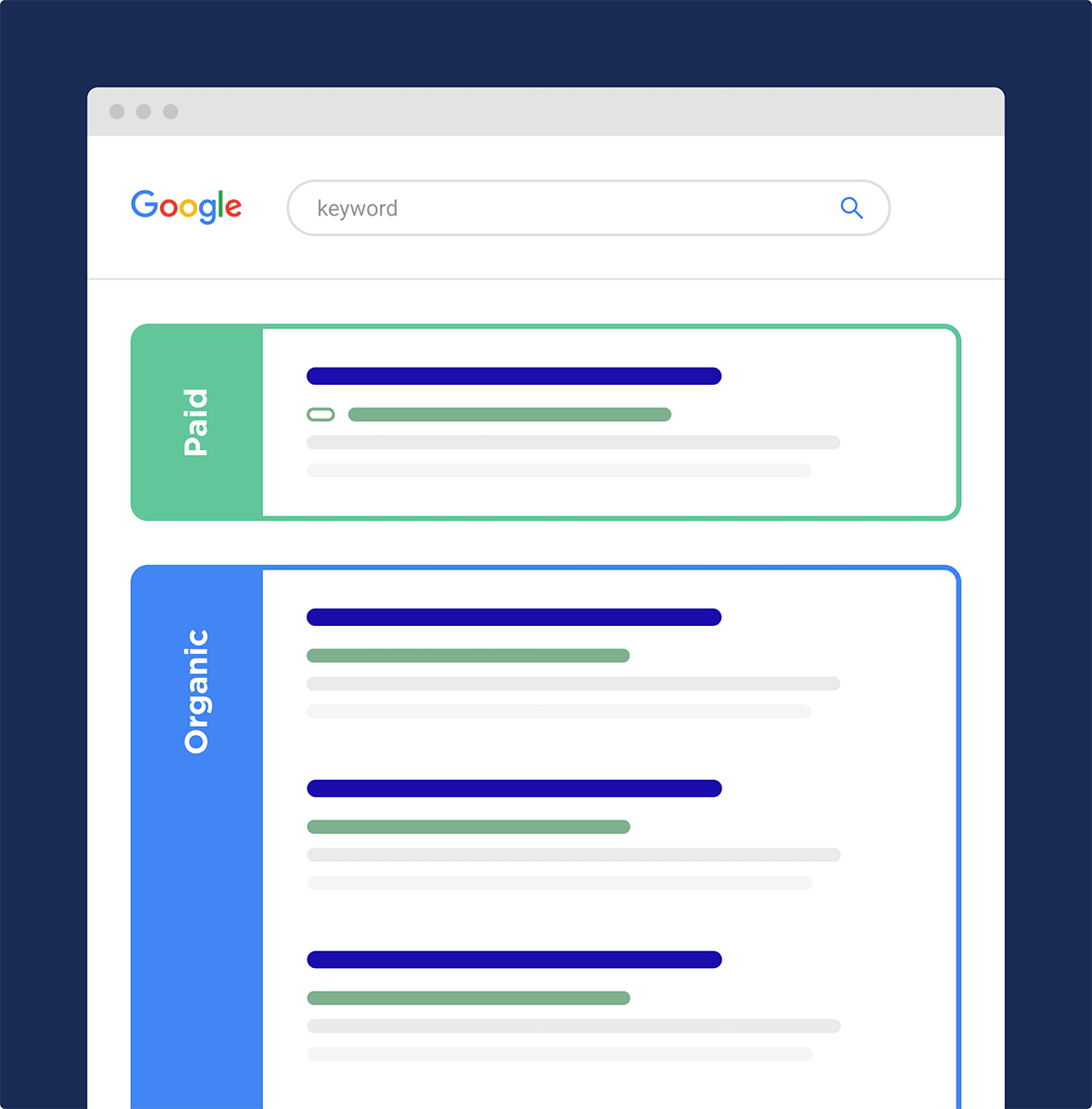
Great bridge between classic SEO and AEO
For two decades, SEO professionals have optimized for a singular goal: ranking on the first page of search engine results pages (SERPs) to drive clicks to their websites. The entire industry’s metrics, strategies, and success criteria revolved around this fundamental assumption—that search engines exist to send users to other websites.
That paradigm is collapsing.
Today, an increasing percentage of searches end without a click. Google provides direct answers in featured snippets and knowledge panels. AI platforms like ChatGPT, Perplexity, and Claude answer questions directly without ever displaying a traditional results page. Even when SERPs still appear, Google’s Search Generative Experience (SGE) often provides comprehensive AI-generated answers that satisfy user intent without requiring clicks.
This shift from search engine optimization to answer engine optimization (AEO) represents the most fundamental change in search strategy since Google’s founding. SEO teams must evolve their metrics, strategies, and content approaches to remain relevant in this zero-click era. This guide explores what’s changing, why it matters, and how to bridge classic SEO thinking into the answer-first future.
Understanding the Zero-Click Search Phenomenon
Zero-click searches occur when a search engine provides the answer directly on the results page, eliminating the need for users to click through to a source website. While this phenomenon predates AI, artificial intelligence has dramatically accelerated its prevalence and sophistication.
The Evolution of Zero-Click Results
Phase 1: Featured Snippets (2014-2020)
Google introduced featured snippets—highlighted answer boxes pulled from web pages—that appeared above organic results. These “position zero” results provided direct answers to factual questions, definitions, and how-to queries. If your content appeared in a featured snippet, it achieved visibility without necessarily earning clicks.
Phase 2: Knowledge Panels and Structured Answers (2015-2021)
Google expanded direct answers through knowledge panels, local business information, calculation results, weather forecasts, and other structured data pulled from authoritative sources. These increasingly comprehensive answers reduced click-through rates for informational queries.
Phase 3: AI Overviews and Generative Answers (2023-Present)
Google’s SGE, Bing’s AI Chat, and standalone AI search platforms like Perplexity provide comprehensive, multi-paragraph answers synthesized from multiple sources. These AI-generated responses address complex queries that previously required clicking through several results, fundamentally changing user behavior and expectations.
Current Zero-Click Statistics
Recent data reveals the scale of this shift:
- Over 60% of Google searches now end without a click to another website
- Featured snippets appear for approximately 19% of search queries
- Mobile searches show even higher zero-click rates due to smaller screens and user behavior
- Voice searches via assistants almost never result in clicks, as answers are read aloud
- AI search platforms like ChatGPT operate entirely on a zero-click model by design
For SEO teams, this means traditional success metrics like organic traffic and click-through rates tell an increasingly incomplete story of search performance and brand visibility.
The Rise of Answer Engines vs. Search Engines
To understand the strategic shift required, we must distinguish between search engines and answer engines—fundamentally different systems with different optimization requirements.
Search Engines: The Traditional Model
Traditional search engines operate on a retrieval model:
- User submits a query
- Engine returns ranked list of relevant documents
- User browses results and clicks through to source websites
- User navigates source content to find specific answers
In this model, the search engine is an intermediary. Its job is connecting users to relevant destinations. SEO focuses on becoming one of those selected destinations.
Answer Engines: The Emerging Paradigm
Answer engines operate on a synthesis model:
- User asks a question
- Engine retrieves relevant information from multiple sources
- Engine synthesizes information into a comprehensive answer
- User receives answer directly, with optional source citations
In this model, the answer engine is the destination. Its job is directly satisfying user intent. Content optimization focuses on becoming a trusted source that the engine draws from and cites, not necessarily a destination users visit.
Hybrid Systems: The Current Reality
Most platforms currently operate as hybrid systems:
- Google’s SGE provides AI-generated answers while still displaying traditional SERP results
- Perplexity synthesizes answers but prominently cites and links to sources
- ChatGPT search provides direct answers with citations when asked for current information
- Bing combines traditional search results with AI chat functionality
This hybrid reality creates complexity for SEO teams: you must optimize for both traditional search visibility AND answer engine citation, often with a single piece of content.
How AI Accelerates the Zero-Click Trend
Artificial intelligence doesn’t just enable zero-click searches—it makes them dramatically more useful and comprehensive, accelerating user adoption and platform investment.
Multi-Source Synthesis
Earlier zero-click results typically pulled from a single source. AI answer engines synthesize information from multiple sources, creating more comprehensive, nuanced answers than any single source provides.
This synthesis capability means AI can satisfy complex informational needs that previously required users to visit multiple websites. The user experience improvement is significant—one comprehensive answer versus researching across five sources.
For content creators, this means your content might contribute to answers without receiving attribution or clicks. A paragraph from your article might inform an AI response that also draws from a dozen other sources, with your specific contribution invisible to users.
Conversational Follow-Up
AI answer engines enable conversational search flows where users ask follow-up questions, request clarification, or explore tangential topics without leaving the interface. This creates extended user sessions entirely within the answer engine, with no clicks to external sources.
Traditional search required new queries and new SERP navigation for follow-up questions. AI’s ability to maintain context and facilitate natural conversation keeps users engaged within the answer platform itself.
Personalized Answer Generation
AI can tailor answers to user context, expertise level, and preferences in ways static web pages cannot. The same query generates different answers for different users based on their indicated needs.
This personalization capability makes AI-generated answers more immediately useful than generic web content, further reducing the need to click through to sources.
Multimodal Integration
AI answer engines increasingly integrate text, images, data visualizations, and even generated diagrams into answers. This multimedia synthesis provides richer, more complete responses than typical web pages.
When an AI can generate a custom comparison table, explain it with synthesized text from multiple sources, and include relevant images—all in a single interface—the value of clicking through to individual sources diminishes.
Traditional SEO Metrics in a Zero-Click World
The zero-click trend forces a fundamental reassessment of SEO success metrics and KPIs.
The Limitations of Traffic-Focused Metrics
Traditional SEO measures success primarily through:
- Organic traffic volume
- Click-through rates from SERPs
- Conversion rates from organic visitors
- Time on site and engagement metrics
In a zero-click world, these metrics become less meaningful:
Traffic doesn’t equal visibility: Your content might be providing answers to thousands of users via AI synthesis without generating any traffic to your site.
High rankings don’t guarantee clicks: Appearing in top positions means little if users get their answers from featured snippets or AI overviews before scrolling to traditional results.
Conversion tracking misses influence: Users who get answers from AI platforms might make purchase decisions without ever visiting your site, making attribution impossible through traditional analytics.
Emerging Metrics for Zero-Click Success
SEO teams must adopt new metrics that capture value beyond clicks:
Citation and Attribution Tracking
Monitor how often AI platforms cite your content as a source. Tools are emerging to track:
- Frequency of citation across AI platforms
- Context and topics where you’re cited
- Citation prominence (whether you’re the primary source or one among many)
- Citation accuracy (whether the AI correctly represents your content)
Brand Visibility and Awareness
Measure brand mention and visibility in:
- Featured snippets and knowledge panels
- AI-generated answers across platforms
- Voice assistant responses
- Related searches and suggested queries
Topical Authority Signals
Track indicators that search systems consider you authoritative on specific topics:
- Frequency of appearing as a source across related queries
- Breadth of topic coverage where you’re referenced
- Co-citation with other recognized authorities
- Expert mentions and community recognition
Answer Engine Rankings
Test and track your content’s performance in answer engines:
- Which queries trigger citation of your content
- Position/prominence of your citations when they appear
- Answer engine “market share” across your target queries
- Competitive citation analysis for your topic areas
Redefining ROI in Zero-Click SEO
Return on investment calculations must evolve beyond direct traffic conversions:
Influence Attribution: Develop models that credit organic search for influenced conversions, not just last-click conversions. Users who receive answers from your content via AI might convert through other channels.
Brand Value Metrics: Quantify the value of brand visibility, authority establishment, and trust-building even without direct clicks.
Content Leverage: Measure how effectively your content assets serve multiple purposes—direct traffic generation, AI source material, social shares, backlink acquisition, and industry authority building.
Competitive Positioning: Track share of voice in answer engines relative to competitors as a market position indicator.
Content Strategy for Answer Engine Optimization (AEO)
Optimizing for answer engines while maintaining traditional SEO performance requires evolved content strategies.
Answer-First Content Architecture
Structure content to facilitate easy answer extraction:
Direct Answer Placement
Place clear, concise answers early in content, ideally within the first 100 words. AI systems and featured snippet algorithms favor content that answers questions directly before providing elaboration.
Format: State the answer, then explain the reasoning, context, and details. This serves both users seeking quick answers and those wanting comprehensive understanding.
Question-Based Headings
Use actual questions as headings when appropriate: “What is vector search?” “How does AEO differ from SEO?” “Why do zero-click searches matter?”
This alignment between user queries and content structure improves both answer extraction by AI and user experience.
Structured Answer Formats
Employ structured formats that AI can easily parse:
- Numbered steps for procedures
- Bulleted lists for options or features
- Comparison tables for evaluating alternatives
- Definition lists for terminology
- Summary boxes for key takeaways
While avoiding over-formatting in general prose, strategic structure for factual, instructional, or comparative content helps AI extract and present your information effectively.
Comprehensive Yet Scannable Content
AI answer engines value comprehensive coverage, but users who do click through need scannable content:
Layered Information Depth
Provide information at multiple levels:
- Brief summary or TLDR for quick answers
- Detailed explanation for comprehensive understanding
- Deep dives into specific aspects for expert audiences
This layered approach serves both answer extraction (AI pulls the appropriate level based on query complexity) and diverse user needs.
Clear Information Hierarchy
Use heading structures that create clear information hierarchies. AI systems use these hierarchies to understand your content’s organization and extract contextually appropriate sections.
Standalone Sections
As with vector search optimization, ensure major sections can stand alone. When AI extracts a specific section to include in an answer, it should make sense without requiring readers to access surrounding content.
Source Citation and Attribution
Ironically, getting cited by AI systems often requires you to cite others generously:
Cite Authoritative Sources
Content that cites reputable sources, research, and expert opinions demonstrates quality and trustworthiness—signals AI systems use when selecting sources.
High-quality citations also create co-citation relationships with authoritative sources, strengthening your topical authority signals.
Link to Primary Sources
When discussing studies, statistics, regulations, or official information, link to primary sources. This practice builds trust signals and helps AI verify information accuracy.
Transparent Authorship
Clearly display author information, credentials, and expertise. AI systems increasingly evaluate source credibility when deciding what content to synthesize and cite.
Freshness and Currency
Answer engines prioritize current, accurate information:
Regular Content Updates
Maintain and update high-value content regularly. Display last-update dates prominently. AI systems check for content currency, especially for topics where information changes frequently.
Temporal Context
When stating facts, include temporal context: “As of 2024…” or “According to Q3 2023 data…” This helps AI systems understand information currency and appropriately qualify answers.
Breaking News and Trending Topics
Create timely content around emerging topics and breaking news. Being an early, authoritative source on trending topics increases likelihood of citation as the topic gains search volume.
The Featured Snippet Strategy
Featured snippets remain critical in the zero-click era as they bridge traditional search and AI answers.
Optimizing for Snippet Capture
Specific tactics increase featured snippet likelihood:
Paragraph Snippets: Provide 40-60 word concise answers to clear questions. This length optimally fits snippet display formats.
List Snippets: Use numbered or bulleted lists for steps, rankings, or multiple related items. Ensure list items are substantive (full sentences, not just keywords).
Table Snippets: Create comparison tables for evaluating options, features, or alternatives. Use clear headers and concise cell content.
Video Snippets: Include timestamped video content with transcripts. YouTube videos embedded on pages optimized for the topic can appear as video featured snippets.
Snippet-Worthy Query Targeting
Identify queries with high snippet opportunity:
- Question queries (who, what, where, when, why, how)
- Definition queries (“what is…”)
- Comparison queries (“X vs Y,” “difference between…”)
- Process queries (“how to…” “steps to…”)
These query types frequently trigger featured snippets and align well with answer engine queries.
Maintaining Snippet Positions
Featured snippet positions aren’t stable. Maintain them through:
- Regular content freshness updates
- Continuous answer quality improvement
- Monitoring for competitor snippet capture
- Adapting to changing user intent signals
E-E-A-T in the Answer Engine Era
Google’s E-E-A-T framework (Experience, Expertise, Authoritativeness, Trustworthiness) becomes even more critical when AI systems select sources for answer synthesis.
Experience Documentation
AI systems can identify experiential markers in content:
- First-person accounts and specific details suggesting direct involvement
- Original data, research, or unique insights
- Photographic or video documentation of experiences
- Specific, granular details that indicate genuine expertise
Include these experiential signals prominently to improve AI source selection probability.
Expertise Demonstration
Show, don’t just claim, expertise:
- Technical depth appropriate to subject complexity
- Nuanced discussion acknowledging limitations and edge cases
- Integration of current research and expert perspectives
- Demonstration of practical application knowledge
AI systems compare your content depth against expert-created content to assess expertise levels.
Building Authoritativeness
Establish topical authority through:
- Consistent, high-quality content production in defined topic areas
- Recognition and citation by other authorities
- Author credentials and demonstrated expertise
- Topic breadth and depth within your domain
AI systems build authority profiles over time based on content patterns, citation networks, and external recognition signals.
Trust Signal Optimization
Strengthen trust signals that AI systems evaluate:
- Transparent sourcing and attribution
- Clear authorship with verifiable credentials
- Accurate, fact-checked information
- Appropriate disclaimers for opinion vs. fact
- Secure, professional website maintenance
Trust signals directly influence whether AI systems select your content as a source and how prominently they cite it.
Platform-Specific AEO Strategies
Different answer engines have different characteristics requiring tailored optimization:
Google SGE and Featured Snippets
- Optimize for traditional SEO fundamentals alongside answer optimization
- Implement comprehensive schema markup
- Build topical authority through content clusters
- Focus on E-E-A-T signals extensively
- Maintain strong technical SEO foundations
ChatGPT and OpenAI Search
- Emphasize comprehensive, well-structured content
- Include clear author expertise and credentials
- Provide direct answers with detailed explanations
- Update content regularly for recency signals
- Build external authority through mentions and citations
Perplexity AI
- Focus on research quality and academic rigor
- Cite authoritative sources extensively
- Provide data-driven insights and analysis
- Structure content for easy extraction
- Maintain objectivity and balanced perspectives
Voice Assistants (Alexa, Siri, Google Assistant)
- Optimize for conversational queries
- Provide concise, clear answers
- Structure content for audio delivery
- Target question-based queries
- Ensure mobile-friendly, fast-loading pages
Balancing Zero-Click and Click-Through Strategies
The goal isn’t choosing between zero-click optimization and traditional traffic generation—it’s balancing both strategically.
Content Type Segmentation
Different content types serve different purposes:
Information Content: Optimize primarily for answer engines and zero-click visibility. Focus on authority building, brand awareness, and answer quality. Accept that traffic generation may be minimal.
Navigation Content: Optimize for branded queries and direct access. These pages (product pages, service descriptions, contact information) should facilitate easy finding when users already know they want your offering.
Transaction Content: Optimize for conversion-focused queries where users intend to take action. These pages should rank traditionally and drive clicks, as AI answers alone can’t complete transactions.
Deep Dive Content: Create comprehensive resources that go beyond what AI answers can synthesize. These serve users seeking deep understanding and remain click-worthy despite AI overviews.
Funnel-Stage Mapping
Map content strategy to user journey stages:
Awareness Stage: Optimize for zero-click visibility. Users discovering topics for the first time often seek basic answers that featured snippets and AI overviews can provide.
Consideration Stage: Balance zero-click and click-through. Users comparing options benefit from both quick answers and deeper resources.
Decision Stage: Optimize for clicks and conversions. Users ready to act need to reach your conversion-optimized pages.
Value-Add Differentiation
Create content that provides value AI answers cannot:
- Interactive tools and calculators
- Personalized assessments or recommendations
- Community discussion and peer perspectives
- Downloadable resources and templates
- Proprietary research and original data
- Video tutorials and visual demonstrations
- Real-time information and live updates
This click-worthy content complements answer-optimized informational content in a balanced strategy.
Measuring Success: KPIs for the AEO Era
Develop comprehensive measurement frameworks that capture zero-click value:
Visibility Metrics
- Share of voice in featured snippets for target queries
- Citation frequency across AI platforms
- Brand mention volume in AI-generated answers
- Knowledge panel presence and accuracy
- Voice search result capture rate
Authority Metrics
- Domain authority scores and trends
- Topical authority indicators
- Expert mention frequency
- Co-citation with recognized authorities
- Industry recognition and awards
Engagement Metrics
- Social media shares and discussions
- Backlink acquisition from authoritative sources
- Direct traffic trends (brand search growth)
- Newsletter subscriptions and community growth
- Repeat visitor rates
Business Impact Metrics
- Brand awareness and aided/unaided recall
- Influenced conversion attribution
- Customer acquisition cost changes
- Market share and competitive positioning
- Customer lifetime value from organic channels
Hybrid Performance Metrics
- Click-through rates from featured snippets when clicked
- Traffic quality and engagement from organic clicks that do occur
- Conversion rates from different search result types
- Assisted conversion value from organic touchpoints
The Future: Preparing for Full AEO
As answer engines continue evolving, several trends will shape the next phase:
Conversational Search Dominance
Natural language, conversational queries will increasingly dominate. Content must comprehensively address the constellation of questions users might ask conversationally, not just keyword-focused queries.
Personalized Answer Generation
AI will generate increasingly personalized answers based on user context, history, and preferences. Content that serves diverse needs and perspectives will perform better than narrow, single-audience content.
Multimodal Answer Integration
Answers will increasingly combine text, images, video, audio, and interactive elements. Content strategies must encompass multimodal creation and optimization.
Real-Time Information Synthesis
The gap between events and answer engine knowledge will continue shrinking. Premium value will attach to being early, authoritative sources on emerging topics.
Quality-Based Source Selection
AI systems will become more sophisticated at evaluating source quality, accuracy, and trustworthiness. Content quality will matter more than ever, while manipulative tactics become increasingly ineffective.
Bridging Classic SEO to AEO: Practical Transition Steps
For SEO teams transitioning from traditional optimization to answer engine optimization:
Phase 1: Audit and Assessment (Month 1-2)
- Audit current featured snippet and knowledge panel presence
- Analyze zero-click rate for target queries
- Assess content structure for answer extraction suitability
- Evaluate E-E-A-T signal strength across content
- Identify high-opportunity answer engine targets
Phase 2: Foundation Building (Month 3-4)
- Implement comprehensive schema markup
- Restructure high-value content for answer optimization
- Strengthen author credentials and expertise signals
- Develop question-based content targeting
- Begin citation and visibility tracking
Phase 3: Content Optimization (Month 5-8)
- Create answer-first content for priority topics
- Optimize existing content for featured snippets
- Build topical authority through content clusters
- Implement regular content freshness updates
- Expand multimodal content creation
Phase 4: Measurement and Refinement (Month 9-12)
- Establish comprehensive AEO KPI dashboards
- Analyze citation patterns and optimization effectiveness
- Refine strategies based on performance data
- Scale successful tactics across content portfolio
- Develop long-term AEO roadmap
Embracing the Answer-First Future
The evolution from search engines to answer engines represents not the death of SEO but its transformation. The fundamental goal remains unchanged: connecting valuable content with users who need it. But the mechanisms, metrics, and strategies for achieving that goal have evolved profoundly.
Zero-click search doesn’t eliminate the value of organic search—it redirects where that value manifests. Instead of traffic alone, SEO success encompasses brand visibility, topical authority, trusted source status, and influenced conversions across channels.
SEO teams that cling to traffic-focused metrics and outdated strategies will find themselves optimizing for a shrinking slice of search value. Those who embrace answer engine optimization, develop comprehensive measurement frameworks, and create content genuinely worthy of AI citation will thrive in the zero-click era.
The bridge from classic SEO to AEO isn’t abandoning traditional optimization—it’s expanding beyond it. Technical SEO, quality content, authoritative backlinks, and user experience remain important. But they now serve a dual purpose: attracting direct traffic AND establishing the trust, authority, and quality signals that make AI systems select your content as a source.
Start the transition today. Audit your visibility in answer engines. Restructure content for answer optimization. Implement comprehensive measurement. Build the expertise and authority that makes AI platforms cite you confidently.
The future of search is zero-click. The future of SEO is ensuring your content powers those answers—even when users never visit your site. Embrace the evolution, expand your metrics, and optimize for the answer-first reality that’s already here.
Other great posts about AEO & the Future of Marketing in the AI Age:
- 🚀 AEO PLAYBOOK 2026
- ✅ AEO (Answer Engine Optimization) & Every AI SEO Concept (2025 Master List)
- AI & Marketing in 2026: How Artificial Intelligence Is Redefining Strategy, Tools, and Results
- Should We Use AI in Content Marketing?
- How AI Search Engines Rank Content (Beyond Keywords & Backlinks)
- Vector Search Explained for SEO Teams (And How to Optimize for It)
- Entity-First SEO: Optimizing for Knowledge Graphs & AI Memory
