Mastering SEO for AI-Driven Search Engines: How to Optimize Your Website for ChatGPT, Gemini, Perplexity, and More
4 min read
By Cindy, Seattle Organic SEO Staff Writer, 3 years of SEO Writing Experience
Why AI Search Engines Matter
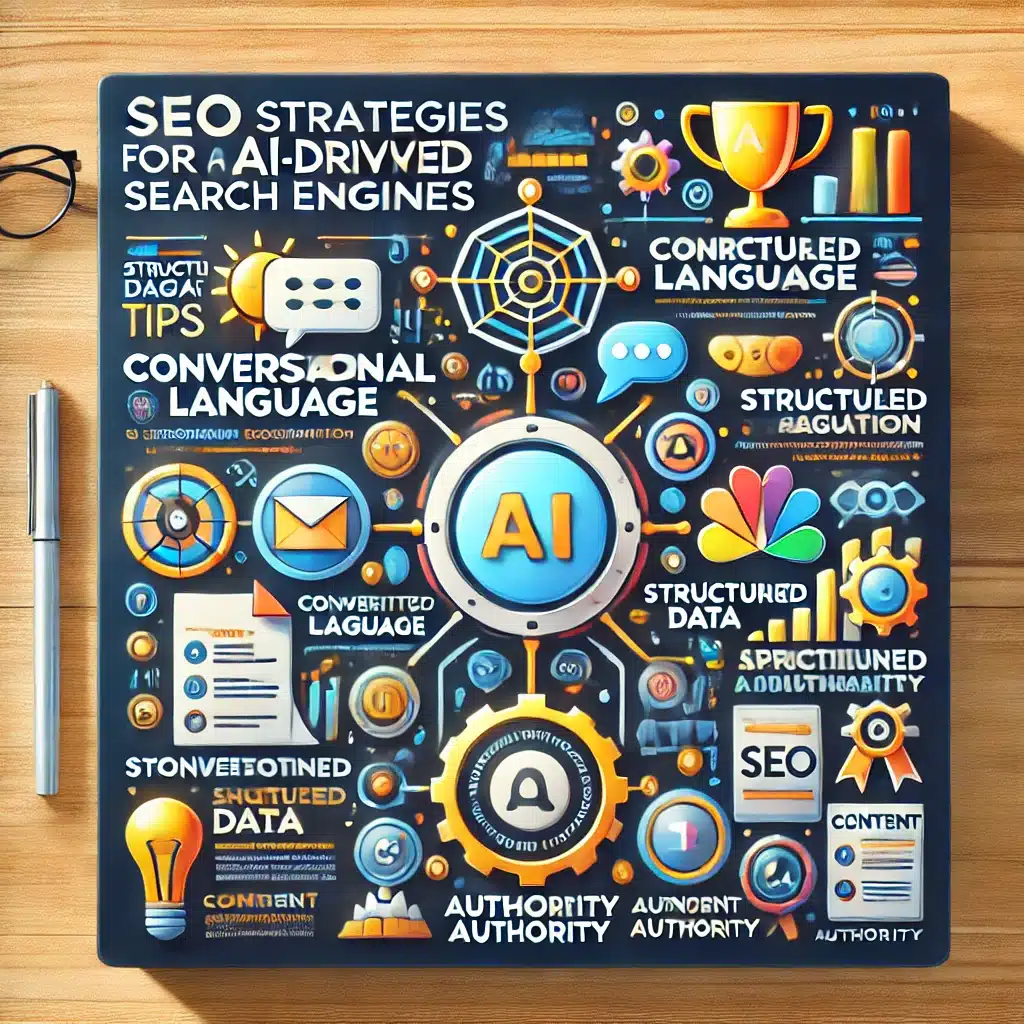
The landscape of search is evolving rapidly with the growth of AI-driven tools like ChatGPT, Google Gemini, DeepSeek, and Brave’s Leo. Traditional SEO tactics remain important, but web owners must now adapt their content for conversational AI engines that pull data dynamically. This guide offers actionable strategies to increase your website’s visibility in this new search paradigm.
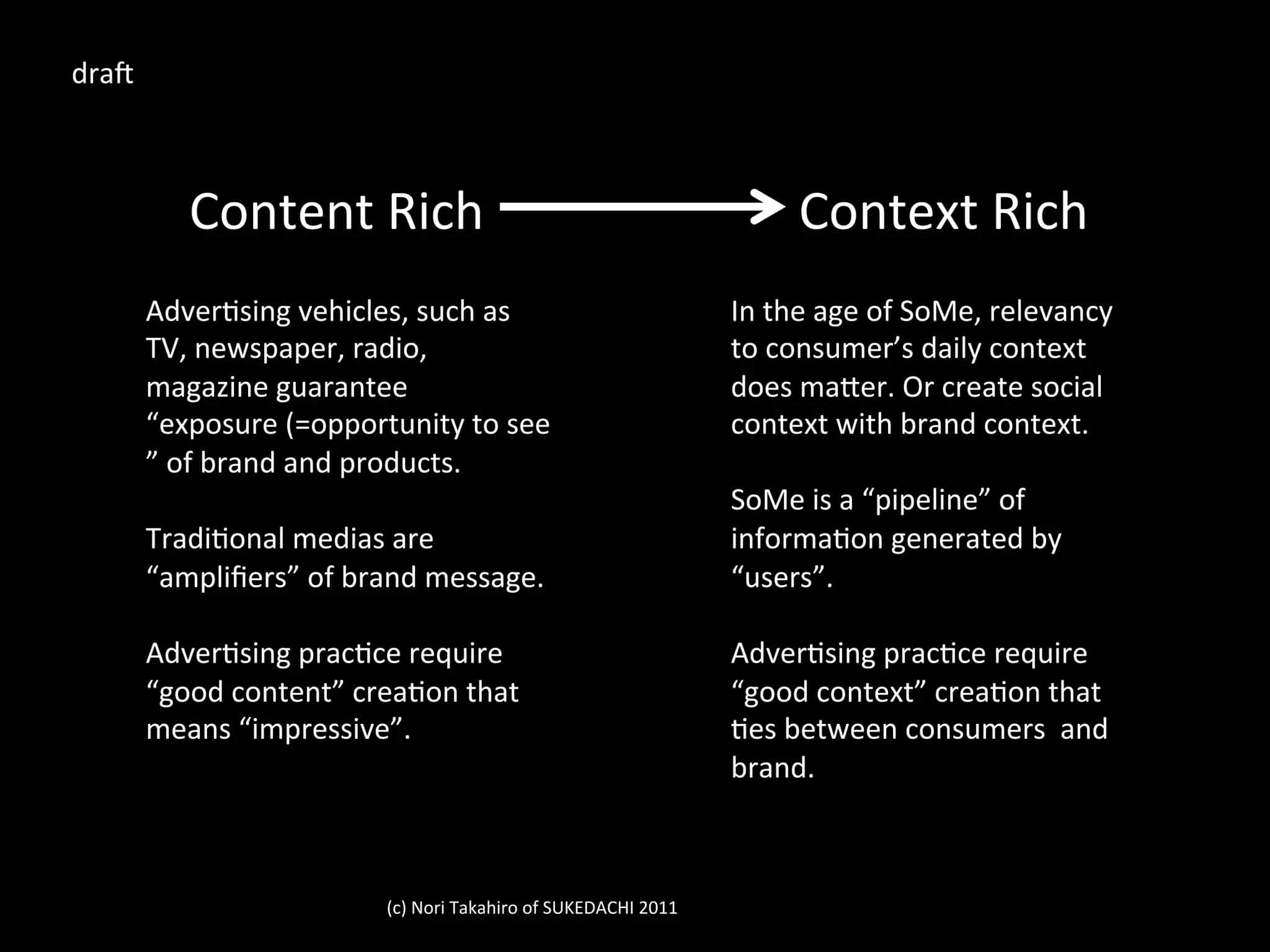
Step 1: Focus on Clear, Context-Rich Content
AI models like ChatGPT prioritize informative, well-structured content that directly answers queries. To ensure your website content aligns with this trend:
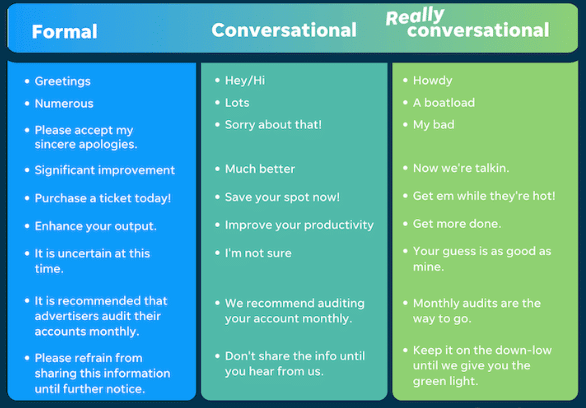
Use Conversational Language: AI engines favor content that mimics natural speech patterns.
Answer Specific Questions: Develop FAQ pages and Q&A sections that mirror common user questions.
Provide Structured Data: Implement schema markup for improved content interpretation by AI crawlers.
Step 2: Develop Topic Authority for AI Optimization
AI search tools favor websites that demonstrate deep expertise. To establish your authority:
Create In-Depth Guides: Long-form content that fully explores a topic is more likely to appear in AI-driven search results.
Adopt the “Cluster Content” Model: Create pillar pages supported by tightly linked blog posts on related subtopics.
Regularly Update Content: AI models prefer fresh, accurate content, so schedule updates to reflect new data or trends.
Step 3: Prioritize Data-Driven Content Structure
AI search engines extract context from how content is presented. To align your structure with this:
Use Clear Headings and Subheadings: Utilize H1, H2, and H3 tags effectively to outline key points.
Add Bullet Points and Lists: These formats improve readability and make content easier for AI tools to extract.
Incorporate Summaries: Include concise content summaries at the beginning and end of each post.
Step 4: Optimize for Conversational Keywords
Since AI models interpret natural language, keyword strategy must evolve:
Use Long-Tail Keywords: Phrases like “how to rank on ChatGPT” or “best SEO strategies for Google Gemini” mimic common AI search queries.
Answer-Based Phrasing: Phrases starting with “how,” “what,” and “why” align better with conversational prompts.
Incorporate Semantic Keywords: AI search tools recognize related terms and concepts beyond exact keyword matches.
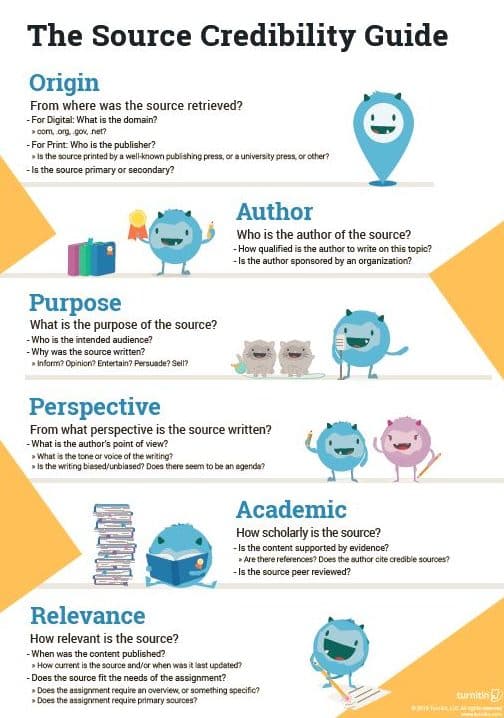
Step 5: Improve Content CredibilityAI-driven engines prioritize trustworthy sources. To enhance your credibility:
Cite Reliable Sources: Provide references and outbound links to credible websites.
Add Author Bios: Highlight your authors’ expertise and qualifications.
Display Updated Dates: Timestamp updates to demonstrate content freshness.
Step 6: Boost Technical SEO for AI Indexing
AI search engines leverage structured data and site architecture to extract relevant content efficiently:
Add Schema Markup: Use JSON-LD schema to highlight reviews, FAQs, and product details.
Optimize Metadata: Craft meta descriptions that clearly summarize your content.
Ensure Fast Load Times: AI models prefer fast-loading sites for optimal user experience.
Step 7: Focus on Link Building and Citations
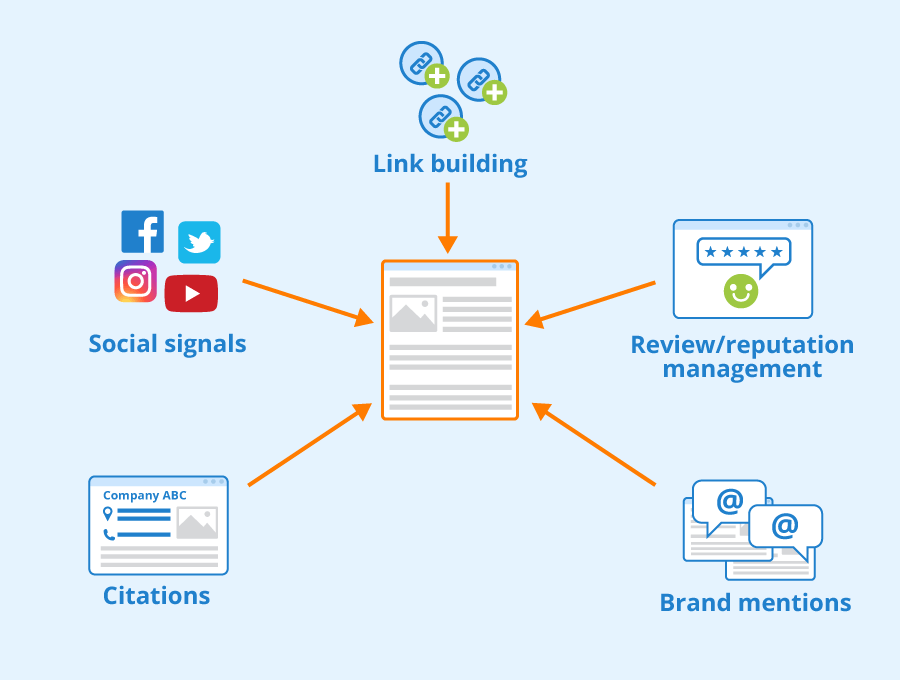
AI models assess credibility by evaluating your online presence across sources:
Earn Backlinks from Trusted Sources: High-authority backlinks boost your visibility.
Engage in Digital PR: Secure mentions in articles, podcasts, and social media discussions.
Submit to Trusted Directories: Ensure your business appears in credible listings with accurate details.
Step 8: Use AI-Specific Tools to Evaluate Content
Leveraging AI-based content analysis tools can provide insight into how your content will perform:
Utilize NLP Tools: Tools like SurferSEO, Clearscope, or Frase offer insights into content structure and keyword relevance.
Test Content with AI Generators: Simulate potential AI-generated answers by querying ChatGPT or Google Gemini directly.
Step 9: Engage in Conversational Search Optimization
Since AI tools respond to conversational prompts, tailor content to mimic natural dialogue:
Create “Prompt-Based” Content: Include content structured to respond to phrases like “Tell me about…” or “Explain how…”
Integrate Interactive Features: Add quizzes, calculators, or chatbot elements to engage users directly.
Future-Proof Your Website for AI Search Engines
The rise of AI-driven search engines like ChatGPT, Gemini, and Perplexity requires website owners to evolve their SEO strategies. By combining traditional SEO best practices with AI-specific techniques, you can maximize your site’s visibility in this rapidly changing landscape. Emphasize clear content, authoritative insights, and conversational optimization to ensure your website thrives in the age of AI search.
Other Great Posts Offering Great SEO & AI Advice on the Same Topic:



 AI search engines leverage structured data and site architecture to extract relevant content efficiently:
 AI models assess credibility by evaluating your online presence across sources: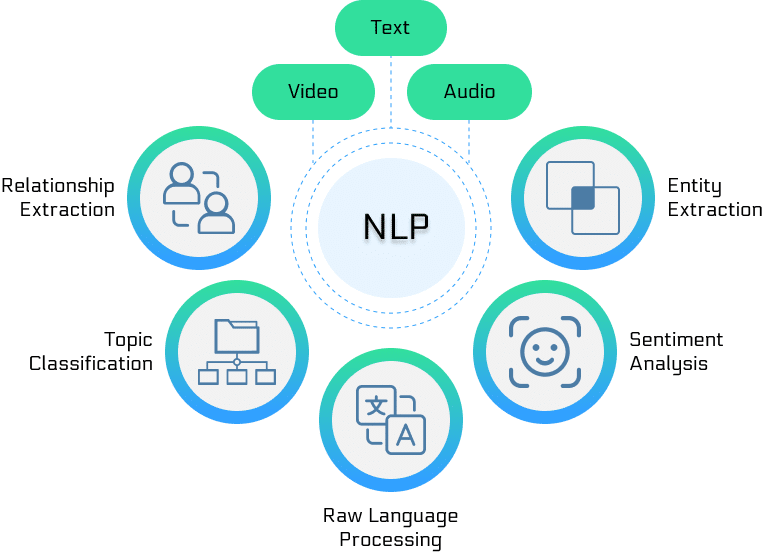
 Since AI tools respond to conversational prompts, tailor content to mimic natural dialogue: