By Leo, Seattle Organic SEO Staff Writer, 1.5 years of SEO Writing Experience
Preparing Your Website for AI-Driven Search Queries: A Comprehensive Guide
The landscape of search engines is rapidly evolving, thanks to the integration of artificial intelligence (AI) and generative models. Traditional keyword-based search is giving way to more sophisticated, context-aware, and conversational search experiences. As AI-powered search engines like Andi, Phind, Komo, and You.com gain prominence, it’s crucial for website owners and content creators to adapt their strategies to ensure their content remains visible and relevant. This comprehensive guide will explore how to prepare your website to show up more often in AI-driven search queries, building on the foundation of traditional SEO practices.
Understanding AI-Driven Search Engines
Before diving into the strategies, it’s essential to understand how AI-driven search engines work and what sets them apart from traditional search engines.
How AI-Driven Search Engines Work
AI-driven search engines use advanced technologies such as machine learning (ML) and natural language processing (NLP) to interpret user queries more accurately. These engines can understand the context and intent behind a search, providing more relevant and personalized results. For example, Andi uses generative AI combined with live data to give answers to search queries, summarizing information from the best sources on the web.Similarly, Google’s AI Overviews use large language models (LLMs) to deliver expert-like responses.
Key Features of AI-Driven Search Engines
Generative AI: These engines can generate new, contextually relevant content on the fly, rather than just retrieving pre-existing content.
Live Data Integration: They can incorporate real-time data to provide up-to-date and accurate information.
Conversational Interfaces: Many AI search engines support natural language queries and can engage in multi-turn conversations.
Customization: Users can often customize the way they view and interact with search results, such as changing the display format or refining searches with related queries.
Traditional SEO vs. AI-Driven SEO
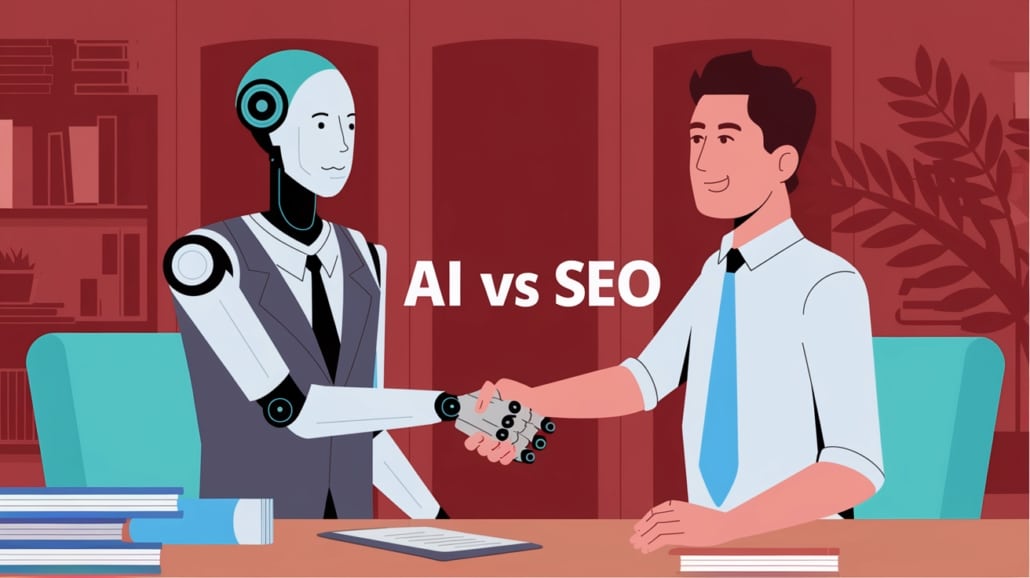
While traditional SEO focuses on optimizing content for keyword relevance and search engine algorithms, AI-driven SEO requires a more nuanced approach. Here are some key differences:
Traditional SEO
Keyword Optimization: Focusing on specific keywords and phrases to rank higher in search results.
Meta Tags and Headers: Using meta tags, title tags, and header tags to provide search engines with clear information about the content.
Backlinks: Building a strong backlink profile to improve domain authority and credibility.
AI-Driven SEO
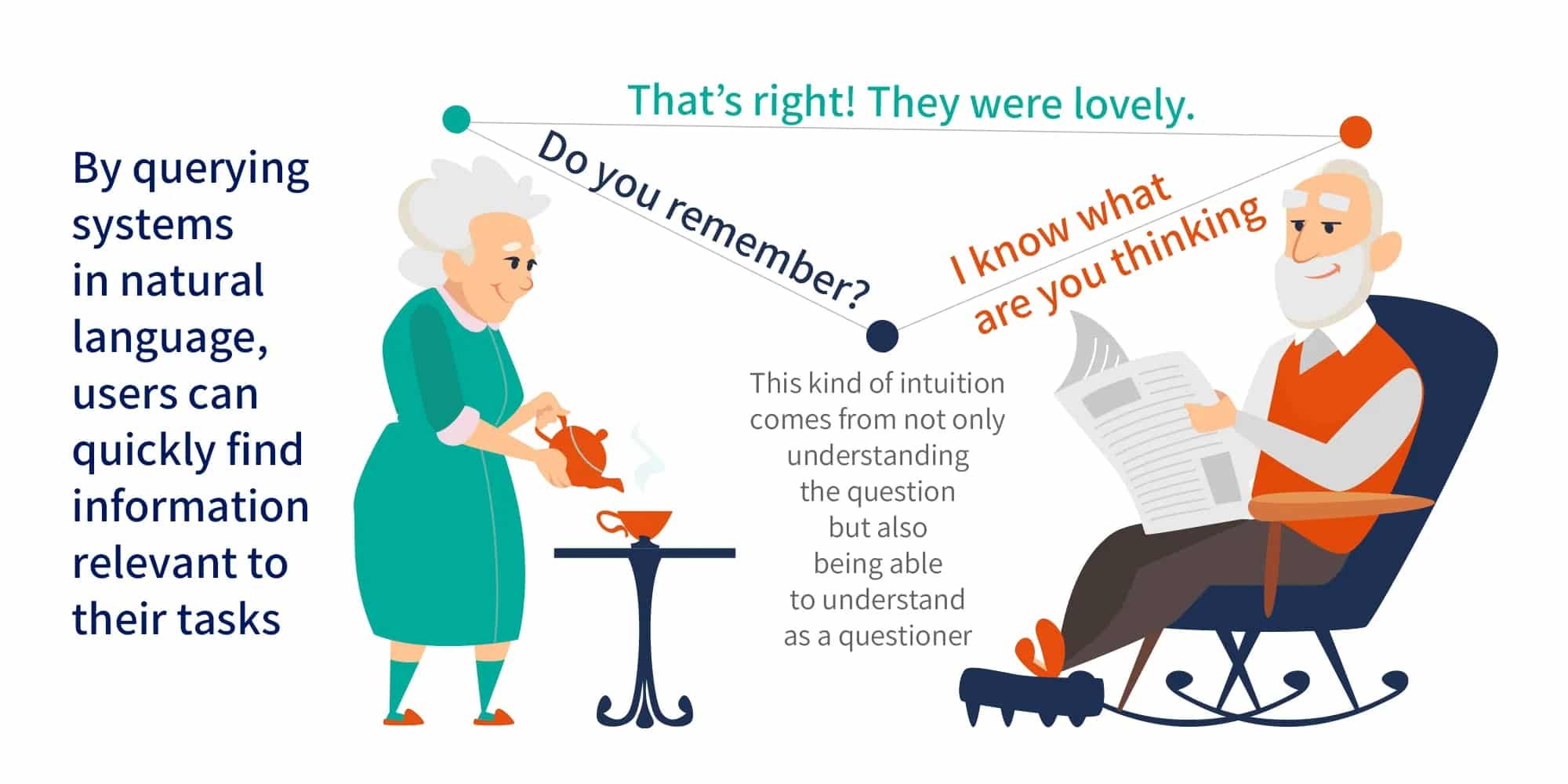
Context and Intent: Understanding the context and intent behind user queries to provide more relevant content.
Quality and Depth: Creating high-quality, in-depth content that addresses user needs and questions comprehensively.
User Experience: Enhancing the user experience with fast loading times, mobile optimization, and interactive elements.
Multimedia Content: Incorporating images, videos, and other multimedia to enrich the content and engage users.
Strategies for AI-Driven SEO
1. Focus on User Intent and Context
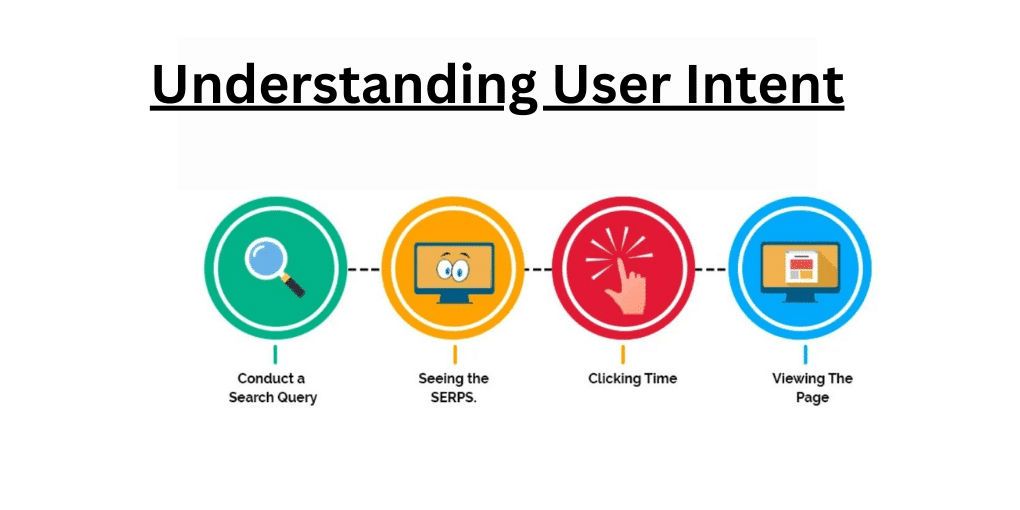
Understanding User Intent
User intent is the primary driver of AI-driven search queries. To rank well, your content must align with the user’s intent. There are three main types of user intent:
Navigational: The user is looking for a specific website or page.
Informational: The user is seeking information on a topic.
Transactional: The user is looking to make a purchase or take a specific action.
Contextual Relevance
AI search engines can understand the context of a query, including the user’s location, previous search history, and other factors. Ensure your content is contextually relevant by:
Using Natural Language: Write in a conversational tone that mirrors how users might phrase their queries.
Addressing Common Questions: Create content that answers frequently asked questions (FAQs) related to your niche.
Providing Comprehensive Information: Offer in-depth, well-researched content that covers all aspects of a topic.
2. Create High-Quality, In-Depth Content
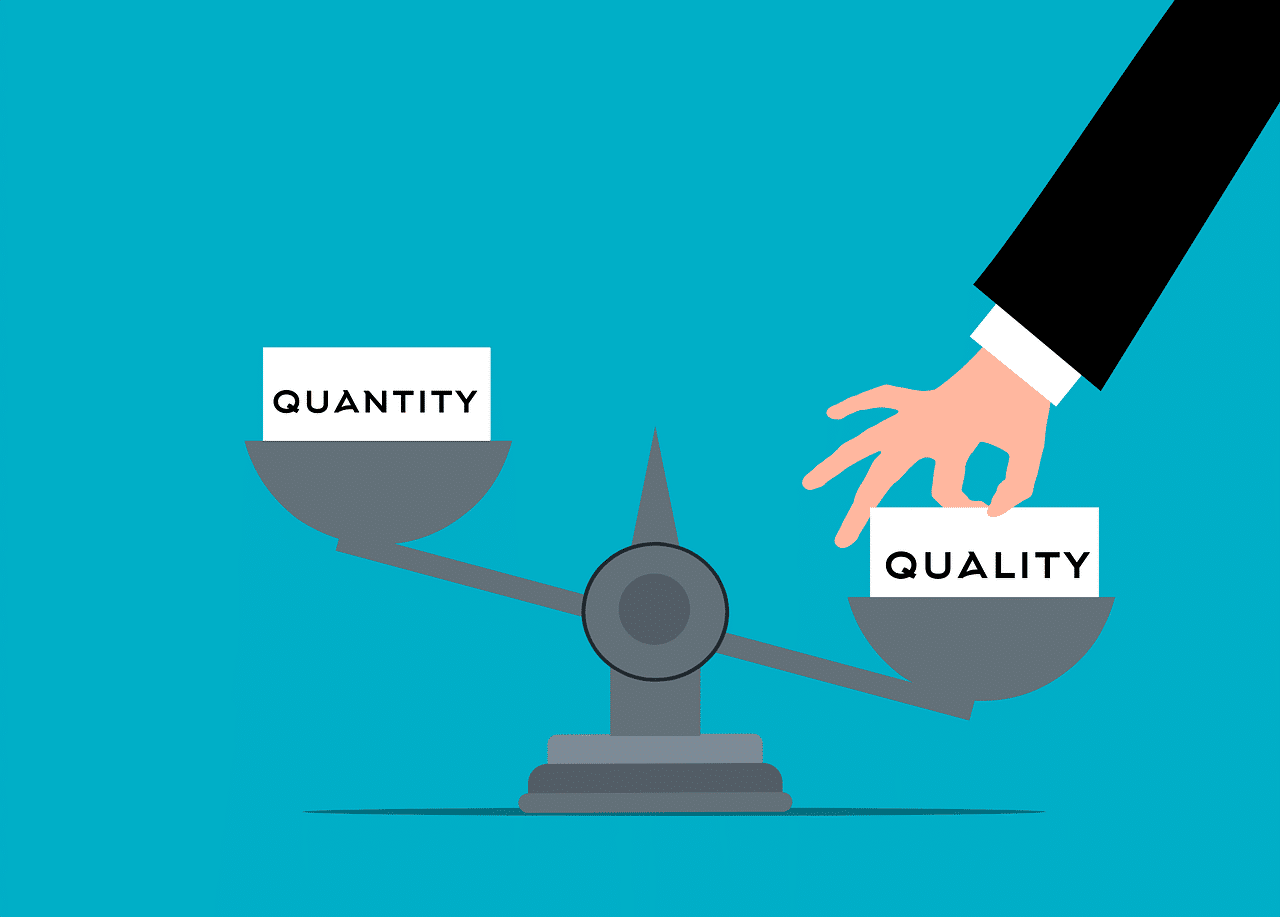
Quality Over Quantity
AI-driven search engines prioritize high-quality, authoritative content. Focus on creating content that is:
Accurate: Ensure your information is factually correct and up-to-date.
Comprehensive: Cover all aspects of a topic, providing detailed explanations and examples.
Engaging: Use storytelling, anecdotes, and real-world examples to make your content more engaging.
Long-Form Content
Long-form content (1,500+ words) tends to perform well in AI-driven search queries. This is because it provides more context and depth, which AI models can use to generate accurate and relevant responses.
3. Optimize for Conversational Queries
Natural Language Queries
AI search engines are designed to understand and respond to natural language queries. Optimize your content by:
Using Conversational Keywords: Incorporate conversational keywords and phrases that users might use in their queries.
Creating FAQ Sections: Include frequently asked questions and their answers in your content.
Using Structured Data: Implement structured data (such as schema markup) to help search engines understand the context of your content.
4. Enhance User Experience
Fast Loading Times
A fast-loading website is crucial for a good user experience. AI search engines may also consider loading times when ranking content. To improve your site’s performance:
Optimize Images: Compress images to reduce file size without sacrificing quality.
Minimize Code: Remove unnecessary code and minify CSS and JavaScript files.
Use a Content Delivery Network (CDN): A CDN can help distribute your content across multiple servers, reducing load times for users in different locations.
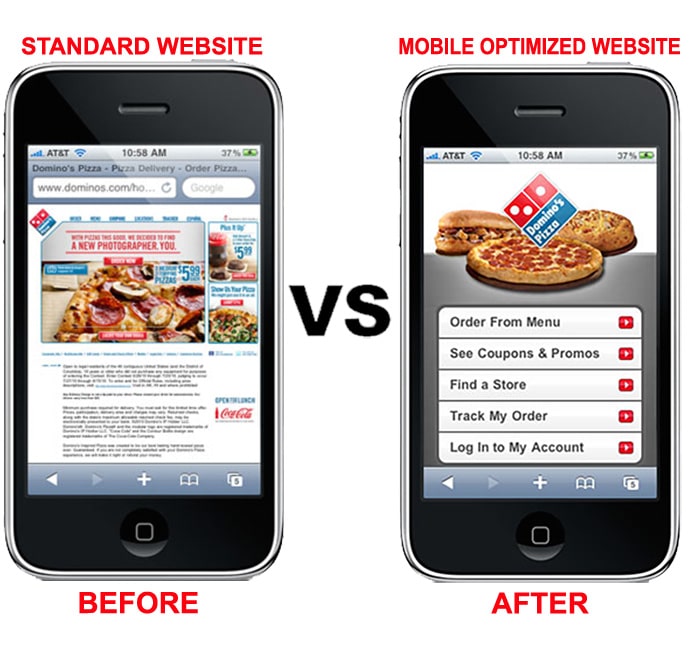
Mobile Optimization
With the increasing use of mobile devices, mobile optimization is more important than ever. Ensure your website is:
Responsive: Design your website to be responsive, meaning it adjusts to different screen sizes and devices.
Touch-Friendly: Use large, easily clickable buttons and links.
Fast on Mobile: Optimize your site’s performance on mobile devices to ensure a smooth user experience.
5. Incorporate Multimedia Content
Images and Videos
AI search engines can process and understand multimedia content, making it an important part of your SEO strategy. Use:
High-Quality Images: Use high-resolution images that are relevant to your content.
Alt Text: Add descriptive alt text to your images to help search engines understand their content.
Videos: Create and embed videos that provide value to your audience, such as tutorials, product demonstrations, and interviews.
Interactive Elements
Interactive elements can enhance user engagement and provide more context for AI search engines. Consider adding:
Quizzes and Polls: Engage users with interactive quizzes and polls related to your content.
Calculators and Tools: Provide tools that help users solve specific problems or make decisions.
Interactive Infographics: Use interactive infographics to present complex information in an engaging way.
6. Build a Strong Backlink Profile
Quality Backlinks
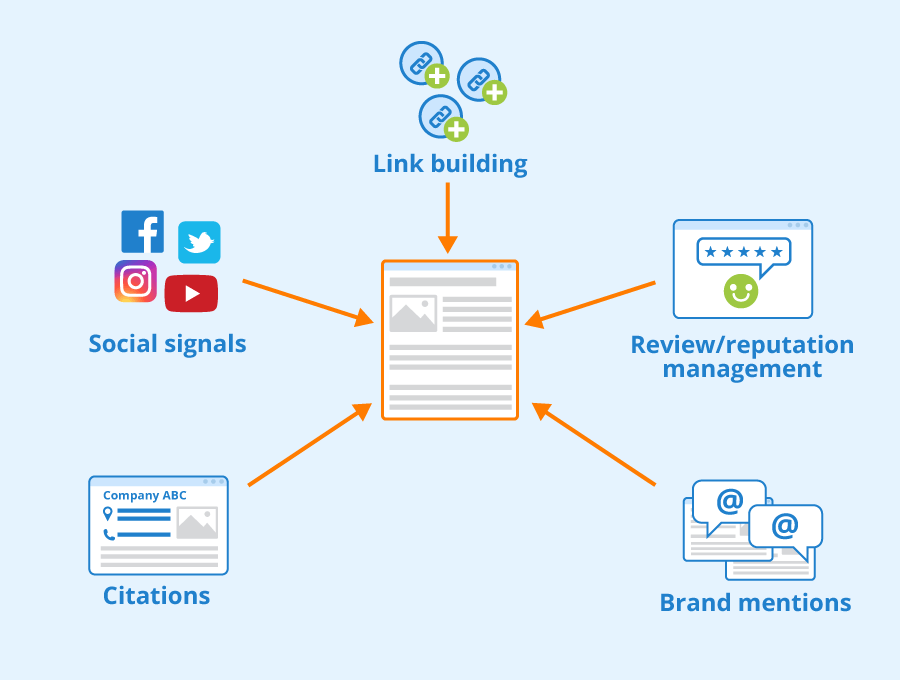
Backlinks remain an important factor in SEO, including AI-driven SEO. Focus on building a strong backlink profile by:
Guest Posting: Write guest posts for reputable websites in your niche.
Partnerships: Collaborate with other businesses or influencers to create mutually beneficial content.
Social Media: Share your content on social media platforms to increase visibility and attract backlinks.
Link Diversity
Diversify your backlink profile by:
Using Different Anchor Texts: Use a mix of exact match, partial match, and branded anchor texts.
Linking to Authoritative Sources: Link to reputable and authoritative sources to add credibility to your content.
Internal Linking: Use internal links to connect related content on your website.
7. Leverage AI and Machine Learning Tools
Content Optimization
Use AI and machine learning tools to optimize your content for AI-driven search queries. These tools can help you:
Analyze User Intent: Understand the intent behind user queries and create content that aligns with it.
Generate Content Ideas: Get ideas for new content based on trending topics and user interests.
Improve Readability: Enhance the readability of your content by suggesting improvements and corrections.
Keyword Research
AI-driven tools can also help with keyword research by:
Identifying Long-Tail Keywords: Find long-tail keywords that are less competitive but highly relevant to your content.
Analyzing Competitor Strategies: Analyze your competitors’ content and backlink strategies to identify gaps and opportunities.
Tracking Performance: Monitor the performance of your content and adjust your strategy based on data-driven insights.
8. Monitor and Adapt
Analytics and Metrics
Regularly monitor your website’s performance using analytics tools. Key metrics to track include:
Organic Traffic: Track the number of visitors coming to your site from organic search.
Bounce Rate: Monitor the percentage of visitors who leave your site after viewing only one page.
Time on Page: Measure how long users stay on your pages, which can indicate the quality and relevance of your content.
User Feedback
Gather user feedback to understand how well your content is meeting their needs. Use:
Surveys and Polls: Conduct surveys and polls to gather feedback from your audience.
User Testing: Test your website with real users to identify usability issues and areas for improvement.
Social Media Listening: Monitor social media conversations to understand how users perceive your brand and content.
Continuous Improvement
SEO is an ongoing process, and AI-driven search engines are constantly evolving. Stay up-to-date with the latest trends and best practices by:
Following Industry News: Stay informed about the latest developments in AI and SEO.
Attending Webinars and Conferences: Participate in webinars and conferences to learn from experts and network with peers.
Other Great Posts Offering Great SEO & AI Advice on the Same Topic:


 Quality Backlinks