
by Penelope, Seattle Organic SEO Staff Writer, More than 2 years of SEO Writing Experience
Introduction
In recent years, the landscape of online search has dramatically shifted due to advancements in artificial intelligence (AI) and generative search engines. These technologies are reshaping how users interact with information, leading to a new era where traditional search engine optimization (SEO) practices may no longer suffice. For website owners, understanding and adapting to these changes is crucial for visibility and engagement.
This blog post will explore actionable strategies to enhance your website’s visibility in an AI-dominated search environment. We will delve into the synergy between SEO and AI optimization, discuss the importance of quality content, and provide insights on emerging trends in AI queries.
Understanding AI Queries
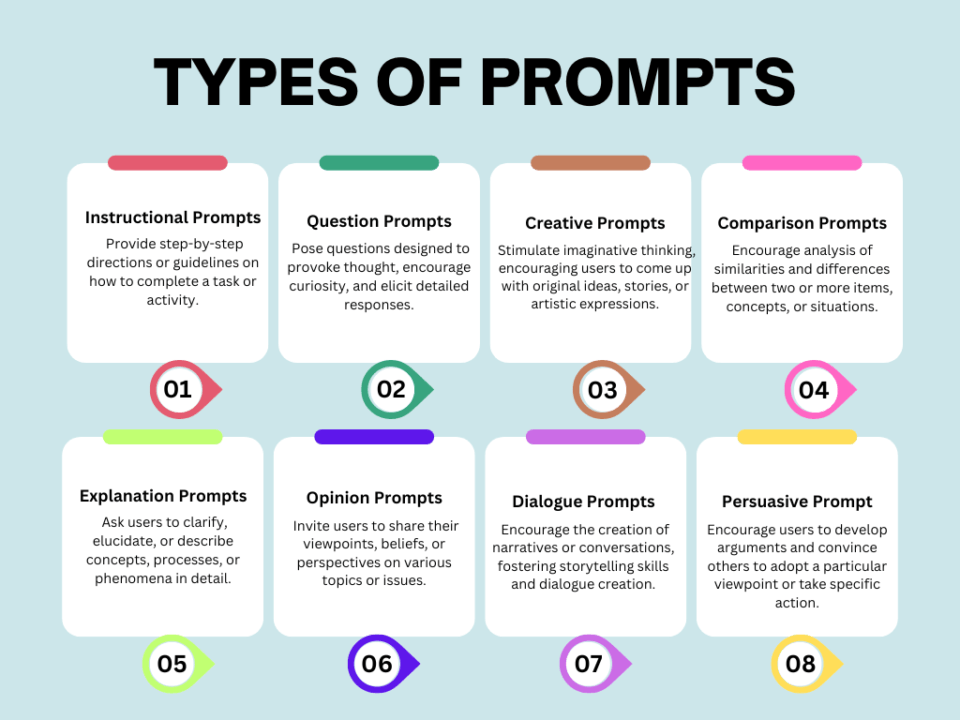
The Importance of Semantic Search
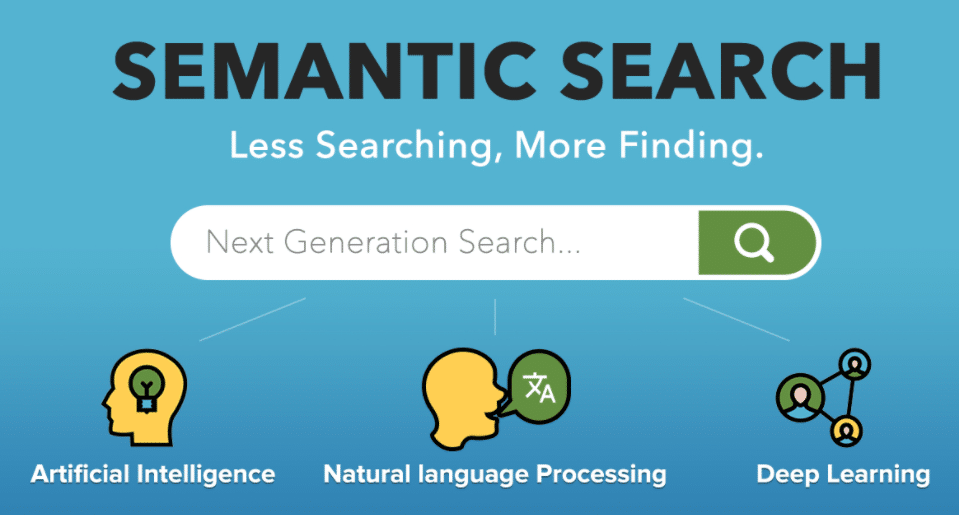
- Focus on Topic Clusters: Instead of creating siloed content focused solely on specific keywords, develop topic clusters that cover a broader subject. This approach helps search engines understand the relationship between different pieces of content.
- Utilize Structured Data: Implementing structured data (schema markup) can help search engines better comprehend the context of your content. This is particularly useful for rich snippets, which can enhance visibility in search results.
- Create Comprehensive Content: High-quality, in-depth content that addresses user queries thoroughly is more likely to rank well in AI-generated search results. Aim to answer questions comprehensively and provide valuable insights.
Leveraging Natural Language
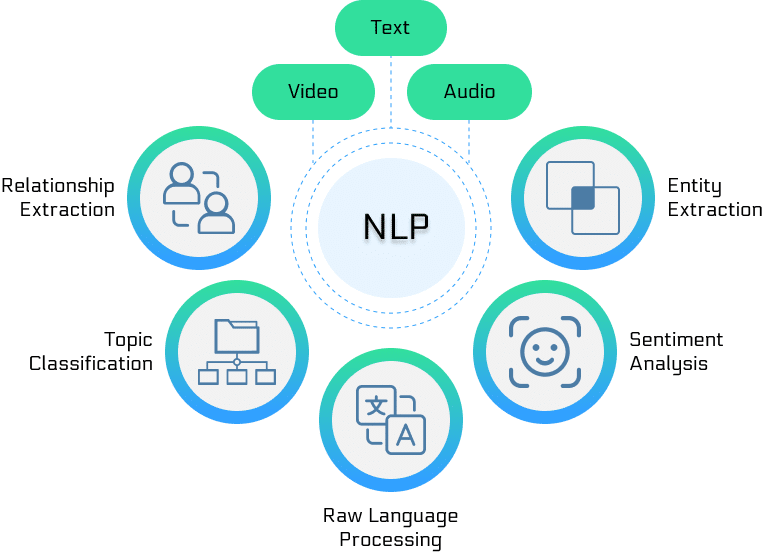
- Use Conversational Tone: Write in a conversational style that mirrors how users speak. This approach not only makes your content more engaging but also aligns with the way AI systems interpret queries.
- Incorporate Long-Tail Keywords: Long-tail keywords are phrases that are more specific and longer than typical search terms. They often reflect how users ask questions. For example, instead of “best coffee,” consider “what is the best coffee for espresso?”
- Answer Common Questions: Create FAQ sections or dedicated posts that address common questions related to your niche. This not only improves SEO but also positions your content as a resource for AI tools looking for authoritative answers.
Optimizing for Voice Search

- Focus on Local SEO: Many voice searches are location-based. Ensure your website is optimized for local search by claiming your Google My Business listing and incorporating location-based keywords.
- Create Concise Answers: Voice search queries are often shorter and more direct. Aim to provide concise answers to common questions, making it easier for AI to extract information.
- Utilize Natural Language Queries: Structure your content around natural language queries that users might speak rather than type. This can help improve visibility in voice search results.
Enhancing User Experience

- Mobile Optimization: Ensure your website is mobile-friendly, as many users access information via smartphones. A responsive design that adapts to various screen sizes is crucial.
- Fast Loading Times: Page speed is a significant ranking factor. Optimize images, minimize code, and leverage caching to ensure your website loads quickly.
- Intuitive Navigation: An easy-to-navigate website helps users find information quickly, reducing bounce rates and increasing engagement.
Building Authority and Trust

- Create Authoritative Content: Publish well-researched, fact-based articles that provide value to your audience. Citing reputable sources and including expert opinions can enhance your credibility.
- Engage with Your Audience: Respond to comments, engage on social media, and encourage user-generated content. Building a community around your brand fosters trust and loyalty.
- Leverage Backlinks: Acquire backlinks from reputable sites within your industry. Quality backlinks signal to search engines that your content is trustworthy and relevant.
Embracing Emerging Technologies
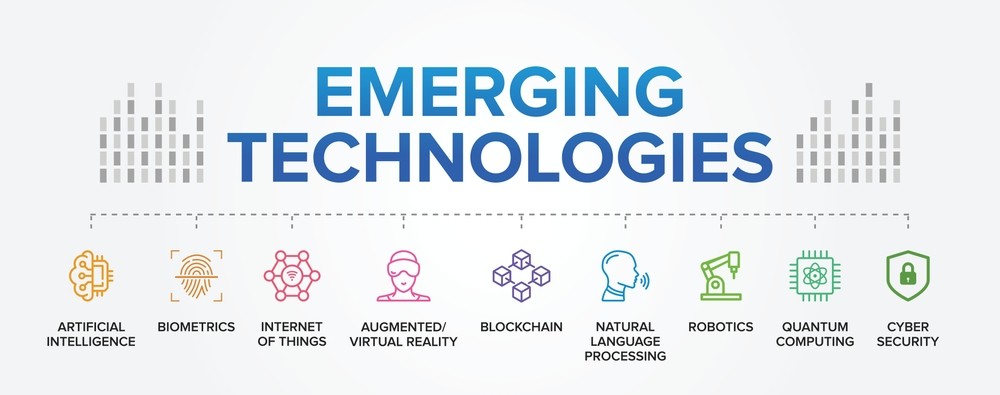
- Integrate AI Tools: Utilize AI-powered tools for content creation, SEO analysis, and user engagement. These tools can provide insights and automate tasks, allowing you to focus on strategy and creativity.
- Stay Updated on AI Developments: Follow industry news and updates on AI advancements. Understanding how these technologies work will help you adapt your strategies accordingly.
- Experiment with Generative Content: Explore the use of generative AI tools to create unique content. While human oversight is crucial, these tools can assist in brainstorming ideas and enhancing creativity.
Monitoring and Analyzing Performance
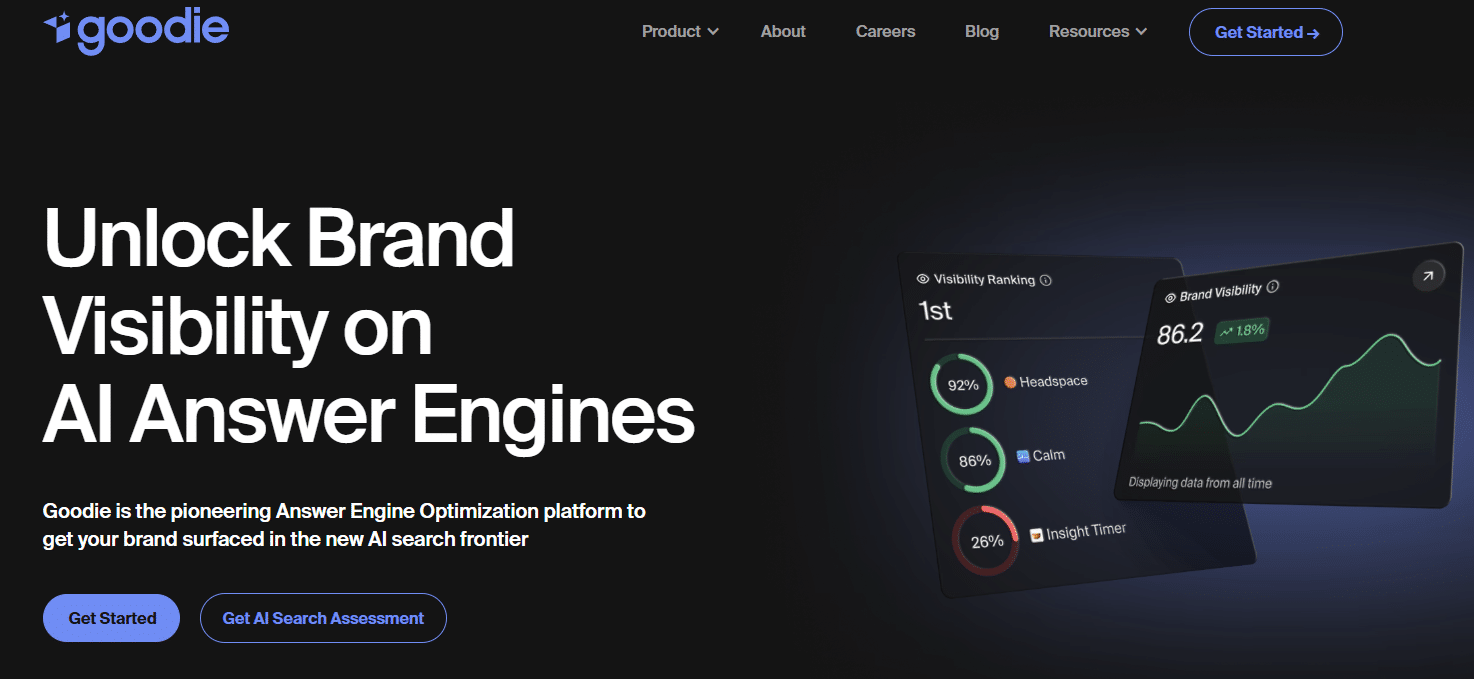
- Utilize Analytics Tools: Use tools like Google Analytics and Search Console to track website performance, user behavior, and traffic sources. Understanding these metrics can help you refine your strategies.
- A/B Testing: Experiment with different content formats, headlines, and layouts to see what resonates best with your audience. A/B testing can provide valuable insights into user preferences.
- Monitor AI Trends: Keep an eye on emerging trends in AI search tools and their algorithms. Adapting to these changes quickly can give you a competitive edge.
Conclusion
In the age of AI and generative search engines, adapting your website to meet the evolving needs of both users and search algorithms is essential for visibility and success. By focusing on semantic search, leveraging natural language, optimizing for voice search, enhancing user experience, building authority, embracing emerging technologies, and continuously monitoring performance, website owners can position themselves for success in this dynamic landscape.
As you implement these strategies, remember that the key to thriving in an AI-driven world lies in providing genuine value to your audience. Prioritize quality content, user engagement, and adaptability, and your website will thrive amidst the challenges and opportunities presented by artificial intelligence.
By following these guidelines, you’ll not only improve your website’s SEO but also enhance its visibility in AI-driven search environments. Embrace the future of search, and ensure your online presence remains strong and relevant.
Other Great Posts Offering Great SEO & AI Advice on the Same Topic:
-
Mastering SEO in the Age of AI: Essential Strategies for Enhanced Visibility
-
Future-Proofing Your Digital Presence: How to Optimize for AI Search Engines While Mastering Traditional SEO
-
Elevating Your Website’s Visibility in the Age of AI: Advanced Strategies Beyond Traditional SEO
-
How to Optimize Your Website for AI Queries: A Comprehensive Guide to Staying Ahead in the Age of Generative Search Engines
-
Preparing for AI-Driven Search
-
Mastering SEO for AI-Driven Search Engines: How to Optimize Your Website for ChatGPT, Gemini, Perplexity, and More
-
Beyond SEO: Optimizing Your Website for AI-Powered Search and Generative Content
-
Preparing Your Website for AI-Driven Search: A 2025 Guide to Dominating SEO and Generative Engine Results
-
The Ultimate Guide to Artificial Intelligence Search Engine Optimization (With Expert Tips)
