
By Carl, Seattle Organic SEO Staff Writer, 2 years of SEO Writing Experience
In today’s rapidly evolving digital landscape, artificial intelligence (AI) and generative search engines are transforming how users discover and engage with content. Traditional search engine optimization (SEO) techniques are no longer enough to ensure your website stands out. To stay ahead of the curve and maintain visibility, it’s essential to adapt your strategies to align with the capabilities of AI-driven tools such as ChatGPT, Brave’s AI tool Leo, Google Gemini, Deepseek, and . This blog post will explore advanced tactics to optimize your website for AI queries while building on SEO fundamentals.
Understanding the AI Landscape

Key Features of AI-Driven Search Engines:
- Contextual Understanding: AI models interpret the context of queries to deliver more accurate and relevant results.
- Conversational Engagement: Users interact with AI tools in a conversational manner, posing questions and seeking detailed explanations.
- Personalized Responses: AI algorithms tailor responses based on user behavior, preferences, and past interactions.
Advanced Strategies for AI Optimization
- Create High-Quality, Contextual Content To appeal to AI-driven search engines, focus on creating comprehensive, high-quality content that addresses user intent. Structure your content to answer common questions, provide in-depth explanations, and offer valuable insights.
- Use Long-Form Content: Detailed articles and guides that cover topics extensively are more likely to be favored by AI algorithms.
- Incorporate FAQs: Frequently Asked Questions (FAQ) sections can address user queries directly and improve content relevance.
- Leverage Semantic SEO: Use related keywords and phrases to create a rich semantic network that enhances contextual understanding.
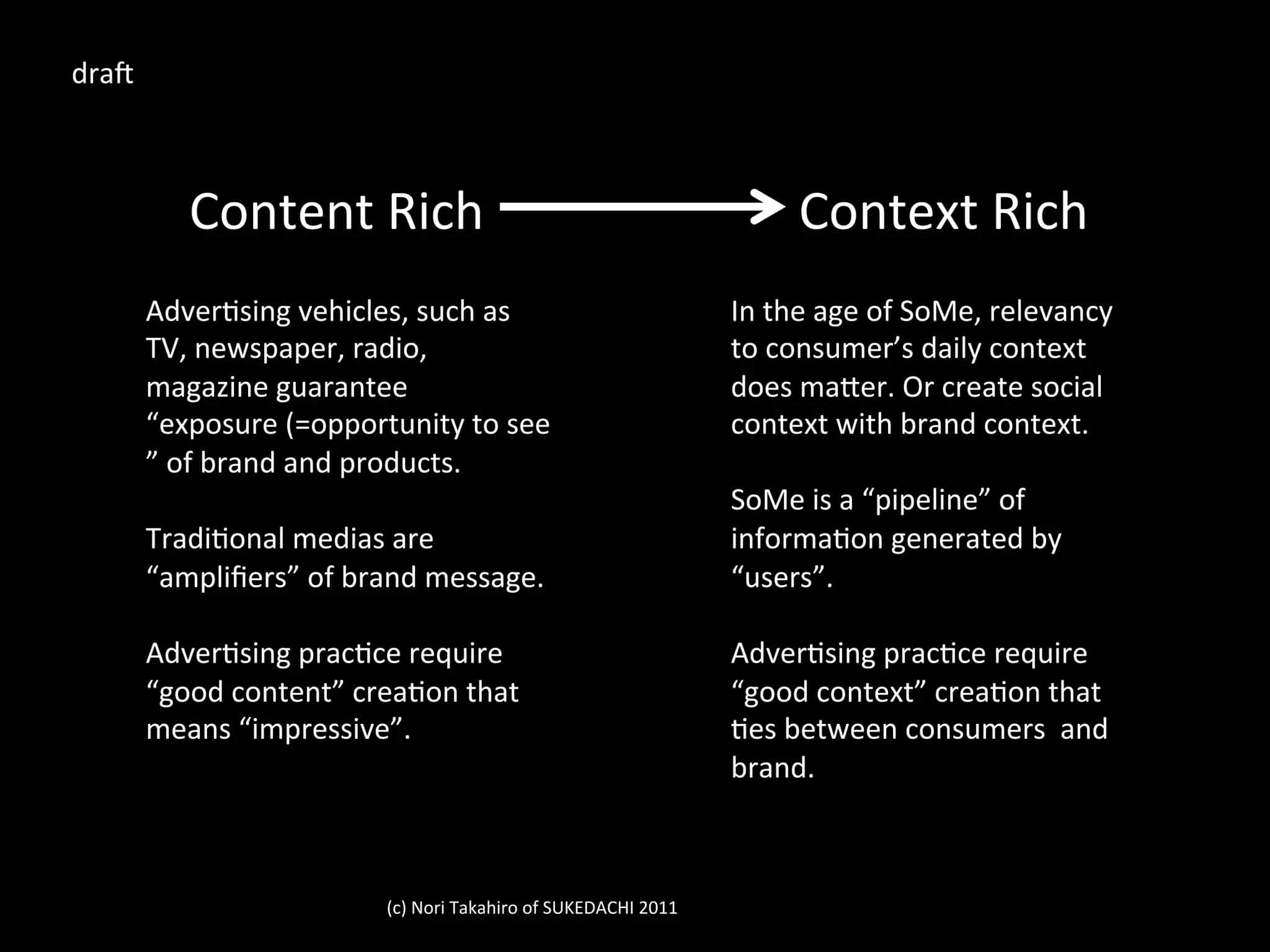
- Optimize for Conversational Keywords AI models often interpret queries as natural language conversations. Therefore, incorporating conversational keywords and phrases into your content is essential.
- Use Natural Language: Write in a conversational tone that mimics how users naturally ask questions.
- Answer Questions Directly: Provide clear, concise answers to common questions within your content.
- Include Variations: Anticipate different ways users might phrase their queries and include variations to capture a wider audience.

- Enhance User Experience (UX) A positive user experience is critical for both traditional SEO and AI optimization. Ensure your website is user-friendly, fast-loading, and accessible.
- Improve Page Speed: Fast-loading pages improve user satisfaction and are favored by search engines.
- Mobile Optimization: Ensure your website is mobile-friendly, as an increasing number of users access content on mobile devices.
- Clear Navigation: Use intuitive navigation and clean design to make it easy for users to find information.
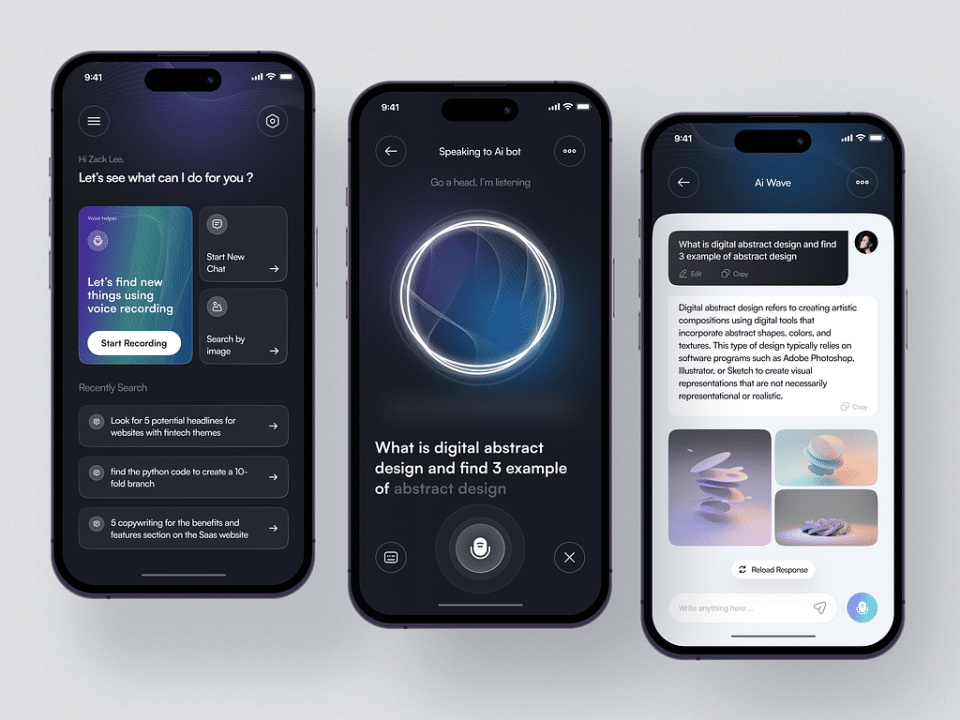
- Leverage Structured Data Structured data, also known as schema markup, helps search engines understand the content on your website better. It can also enhance your chances of appearing in rich snippets and featured results.
- Implement Schema Markup: Use structured data to mark up important content elements such as articles, FAQs, and product information.
- Rich Snippets: Aim to appear in rich snippets by providing clear, concise answers to common queries.

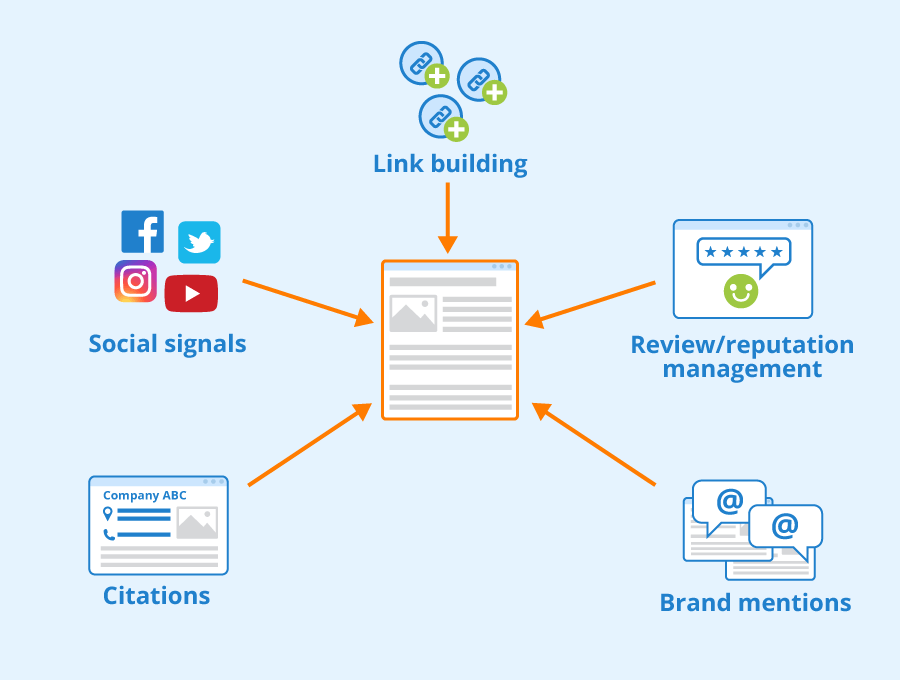
- Build Authoritative Backlinks Backlinks from reputable websites signal to search engines that your content is valuable and trustworthy. Focus on building high-quality backlinks to improve your website’s authority.
- Guest Blogging: Contribute guest posts to authoritative websites in your niche.
- Collaborate with Influencers: Partner with industry influencers to promote your content and gain valuable backlinks.
- Create Shareable Content: Produce content that is highly shareable and likely to be referenced by other websites.
- Utilize AI Tools for Content Creation and Analysis Leverage AI-driven tools to enhance your content creation process and analyze performance. These tools can provide valuable insights and recommendations for optimization.
- AI Content Generators: Use AI tools to generate content ideas, headlines, and even full articles.
- SEO Analysis Tools: Utilize AI-powered SEO tools to analyze your website’s performance and identify areas for improvement.
- Behavioral Analytics: Analyze user behavior to understand how they interact with your content and make data-driven improvements.
Adapting to Specific AI Platforms
Different AI-driven search engines have unique algorithms and preferences. Tailoring your strategies to align with these platforms can further enhance your website’s visibility.
- ChatGPT
- Engage in Conversations: Create content that encourages conversational engagement, such as interactive quizzes and discussion prompts.
- Provide Detailed Explanations: Ensure your content provides thorough explanations to match the detailed responses generated by ChatGPT.
- Brave’s AI Tool Leo
- Focus on Privacy: Highlight your website’s privacy practices, as Brave prioritizes user privacy and security.
- Emphasize Ethical Content: Create content that aligns with Brave’s focus on ethical browsing and ad-blocking.
- Google Gemini
- Optimize for Local Search: Ensure your content is optimized for local search queries, as Google Gemini focuses on personalized and localized results.
- Use Google My Business: Claim and optimize your Google My Business listing to improve visibility in local searches.
- Deepseek
- Leverage Niche Expertise: Deepseek favors content from niche experts. Focus on creating authoritative content in your specific field.
- Engage with Niche Communities: Participate in niche forums and communities to build credibility and promote your content.
-
- Provide Clear Answers: Ensure your content provides clear, concise answers to common queries, as values direct responses.
- Use Visual Content: Incorporate visuals such as infographics and charts to enhance your content’s appeal.
Pros & Cons of the AI Revolution Can Be Daunting, but also Exciting
The rise of AI-driven search engines presents new challenges and opportunities for website owners. By understanding the unique characteristics of these platforms and adapting your strategies accordingly, you can enhance your website’s visibility and reach a broader audience. Focus on creating high-quality, contextual content, optimizing for conversational keywords, and leveraging structured data to stay ahead in the AI era. As AI continues to evolve, staying informed and adaptable will be key to maintaining and growing your online presence.
Additional Tips for Visibility:
- Monitor AI Trends: Stay updated on the latest developments in AI-driven search engines and adjust your strategies accordingly.
- Engage with AI Communities: Participate in AI and SEO communities to share insights, learn from others, and stay ahead of industry trends.
- Test and Iterate: Continuously test different strategies and iterate based on performance data to optimize your approach.
By implementing these advanced strategies and staying proactive, you can ensure your website remains visible and competitive in the ever-evolving landscape of AI and generative search engines.
Feel free to adapt and expand this content to match your specific needs and preferences. If you have any other questions or need further assistance, just let me know!
Other Great Posts Offering Great SEO & AI Advice on the Same Topic:
-
Mastering SEO in the Age of AI: Essential Strategies for Enhanced Visibility
-
Unlocking AI Visibility: Strategies for Websites to Thrive in the Age of Generative Search
-
Future-Proofing Your Digital Presence: How to Optimize for AI Search Engines While Mastering Traditional SEO
-
How to Optimize Your Website for AI Queries: A Comprehensive Guide to Staying Ahead in the Age of Generative Search Engines
-
Preparing for AI-Driven Search
-
Mastering SEO for AI-Driven Search Engines: How to Optimize Your Website for ChatGPT, Gemini, Perplexity, and More
-
Beyond SEO: Optimizing Your Website for AI-Powered Search and Generative Content
-
Preparing Your Website for AI-Driven Search: A 2025 Guide to Dominating SEO and Generative Engine Results
-
The Ultimate Guide to Artificial Intelligence Search Engine Optimization (With Expert Tips)
