

By George, Seattle Organic SEO Staff Writer, 1 year of SEO Writing Experience
The AI Revolution and the Future of Search
This blog post will delve into the strategies and tactics you can employ to optimize your website for AI queries, ensuring your content is not only visible but also prominently featured in the responses generated by these intelligent systems.
Understanding the AI Search Paradigm
AI-powered search engines operate differently from traditional search engines. They don’t just provide a list of links; they analyze vast amounts of data, extract relevant information, and synthesize it into coherent answers. This process involves:
- Natural Language Processing (NLP): AI models understand the nuances of human language, interpreting the intent behind complex queries.
- Knowledge Graphs: These structured databases connect entities and their relationships, enabling AI to grasp context and provide accurate information.
- Machine Learning (ML): AI models continuously learn from data, refining their ability to understand and respond to queries.
- Generative Capabilities: AI can create new content, summarizing information, answering questions, and even generating creative text formats.
Beyond Keywords: Focusing on Intent and Context
Traditional SEO heavily relies on keyword optimization. While keywords remain important, AI search emphasizes intent and context. To optimize for AI queries, you must:
- Understand User Intent: Identify the underlying needs and goals of your audience. What questions are they asking? What problems are they trying to solve?
- Create Comprehensive Content: Develop in-depth, informative content that addresses user intent thoroughly. Cover all aspects of a topic, providing valuable insights and perspectives.
- Structure Data for AI Consumption: Use structured data markup (Schema.org) to provide AI models with clear, unambiguous information about your content. This helps them understand the context and relationships between different elements.
Leveraging Structured Data (Schema.org)
 Structured data is crucial for AI search optimization. It provides AI models with a clear understanding of your content’s meaning and context. Implement Schema.org markup to:
- Define Content Types: Use appropriate schema types (e.g., Article, Product, Recipe, FAQPage) to tell AI what kind of content you’re providing.
- Highlight Key Information: Use schema properties to highlight important details, such as author, publication date, price, and ratings.
- Create Knowledge Graphs: Link related entities and concepts within your content using schema properties, building your own mini-knowledge graph.
- Utilize FAQ schema: This schema is especially helpful for AI, allowing it to easily extract questions and answers.
Building Topical Authority and Expertise

- Create Pillar Content: Develop comprehensive, evergreen content that serves as a foundation for your website’s topic.
- Build Topic Clusters: Create a network of related content that explores different aspects of your main topic.
- Gain Backlinks from Authoritative Sites: Earn links from reputable websites in your industry to signal your website’s credibility.
- Showcase Expertise: Highlight your team’s expertise through author bios, case studies, and testimonials.
Optimizing for Natural Language Queries
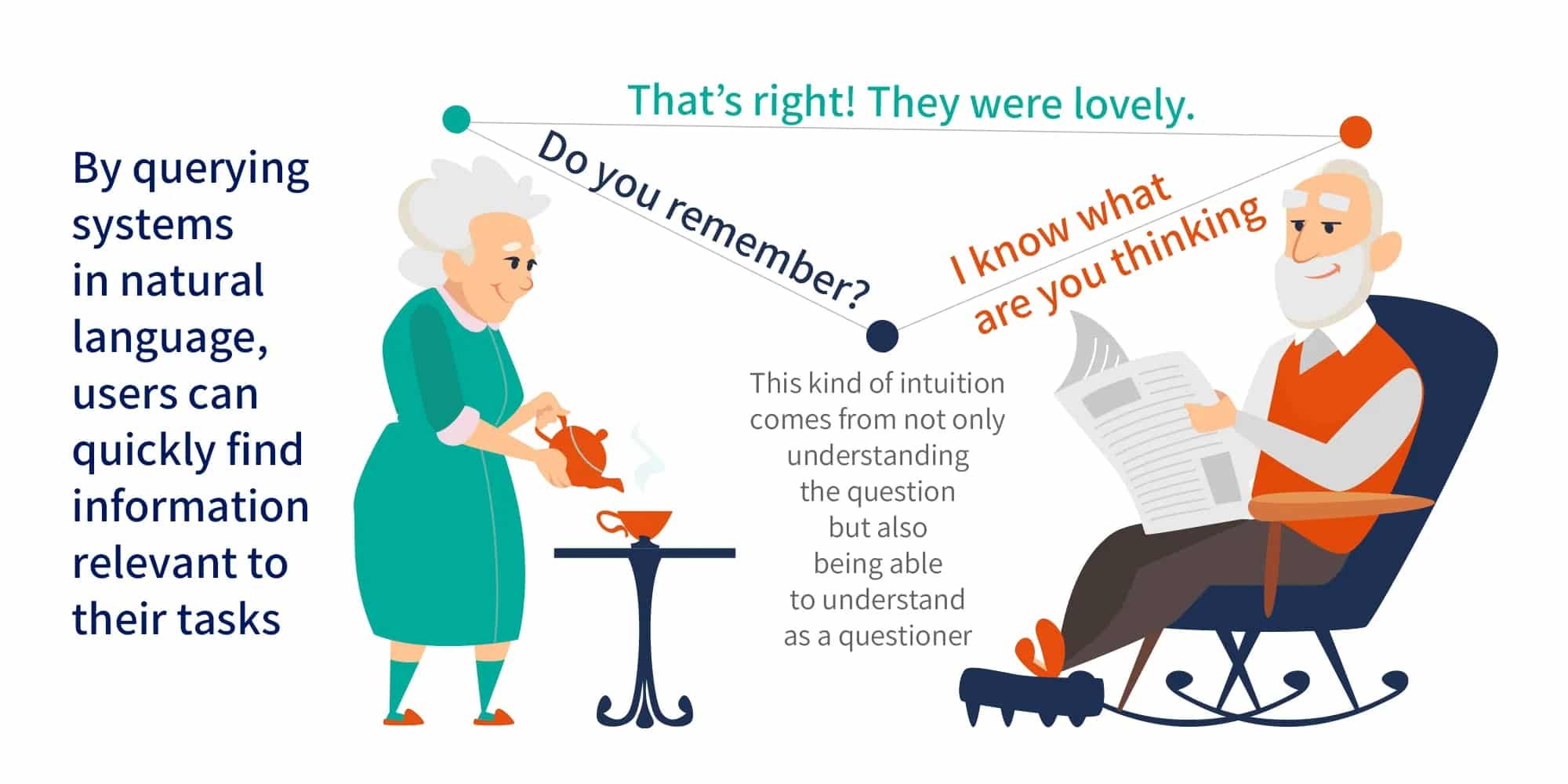
- Use Conversational Language: Write in a clear, concise, and conversational style that mimics how people speak.
- Answer Common Questions: Identify frequently asked questions related to your topic and provide detailed answers in your content.
- Create FAQ Pages: Develop dedicated FAQ pages that address common questions in a structured format.
- Use Long-Tail Keywords: Target long-tail keywords that reflect natural language queries.
Enhancing User Experience (UX) for AI Interactions
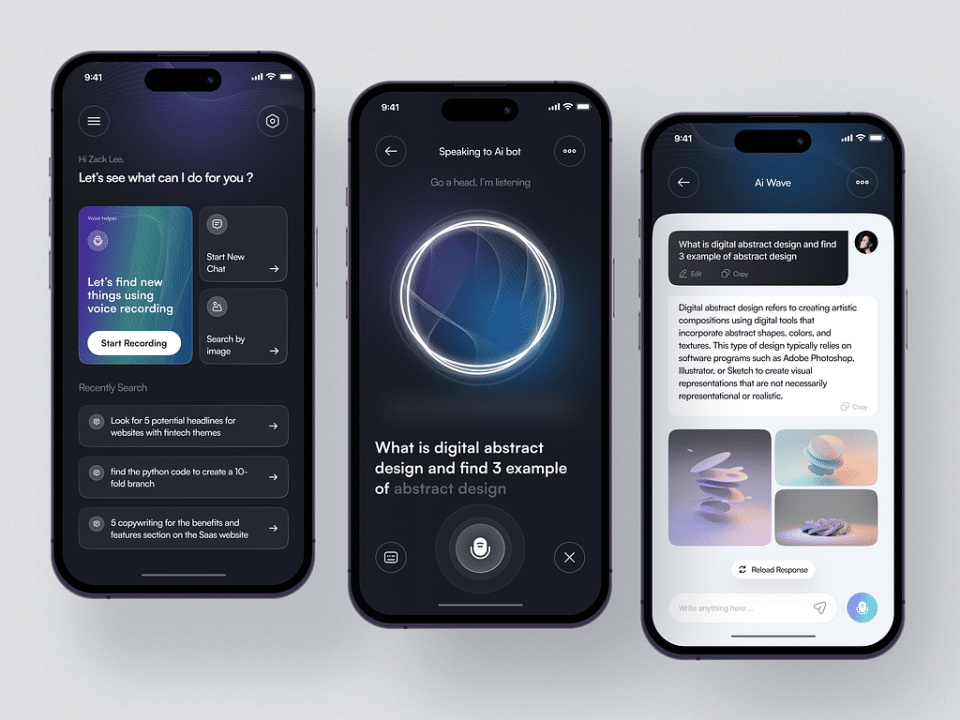
AI interactions are seamless and intuitive. To enhance UX for AI interactions:
- Optimize for Mobile: Ensure your website is mobile-friendly, as many AI interactions occur on mobile devices.
- Improve Site Speed: Optimize your website’s loading speed to provide a fast and responsive experience.
- Create Accessible Content: Make your content accessible to users with disabilities, as AI models consider accessibility when evaluating content.
- Create Clean URL structures: URL’s that are easy to understand help both users and AI understand the context of the page.
Creating Content Specifically for AI Snippets and Answers
- Provide Concise Answers: Answer questions directly and concisely, using clear and simple language.
- Use Bullet Points and Lists: Format your content using bullet points and lists to make it easy for AI models to extract key information.
- Include Summaries and Key Takeaways: Provide summaries and key takeaways at the beginning or end of your content.
- Use Tables and Charts: Present data and information in tables and charts to enhance clarity and readability.
Monitoring and Adapting to AI Search Trends
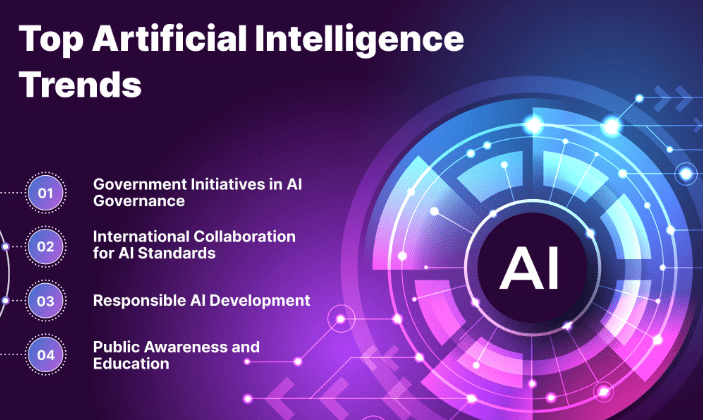
- Monitor AI Search Trends: Keep track of the latest developments in AI search and generative content.
- Analyze User Behavior: Use analytics tools to understand how users are interacting with your content and adjust your strategy accordingly.
- Experiment with New Formats: Explore new content formats, such as video and audio, to cater to different AI interaction modalities.
- Stay Updated on Algorithm Changes: AI algorithms are continuously updated. Stay informed about these changes to ensure your website remains optimized.
Specific Advice for Different AI Platforms:
- Google Gemini: Focus on E-E-A-T (Experience, Expertise, Authoritativeness, and Trustworthiness). Google heavily weighs these factors. Use structured data, create high quality content and build a strong online reputation.
- ChatGPT: Create content that answers questions directly and concisely. Provide summaries and key takeaways. Utilize FAQ schema.
- Brave’s Leo: Focus on providing clear and accurate information. Use structured data and optimize for natural language queries.
- DeepSeek: Deepseek is very code friendly. If your site has code or tech related content, structure it well, and use proper code snippets.
- Perplexity.ai: Perplexity values citations and sources. Make sure to cite any sources you use, and show your work.
Embracing the AI-Powered Future
The rise of AI-powered search and generative content presents both challenges and opportunities for website owners. By understanding the AI search paradigm, focusing on intent and context, and implementing the strategies outlined in this blog post, you can ensure your website thrives in the age of AI. Embrace the AI-powered future and position your website as a trusted and authoritative source of information.
Other Great Posts Offering Great SEO & AI Advice on the Same Topic:
-
Mastering SEO in the Age of AI: Essential Strategies for Enhanced Visibility
-
Unlocking AI Visibility: Strategies for Websites to Thrive in the Age of Generative Search
-
Future-Proofing Your Digital Presence: How to Optimize for AI Search Engines While Mastering Traditional SEO
-
Elevating Your Website’s Visibility in the Age of AI: Advanced Strategies Beyond Traditional SEO
-
How to Optimize Your Website for AI Queries: A Comprehensive Guide to Staying Ahead in the Age of Generative Search Engines
-
Preparing for AI-Driven Search
-
Mastering SEO for AI-Driven Search Engines: How to Optimize Your Website for ChatGPT, Gemini, Perplexity, and More
-
Preparing Your Website for AI-Driven Search: A 2025 Guide to Dominating SEO and Generative Engine Results
-
The Ultimate Guide to Artificial Intelligence Search Engine Optimization (With Expert Tips)
