

By Paul, Seattle Organic SEO Staff Writer, 3 years of SEO Writing Experience
The rise of AI-powered search engines like Google’s SGE, ChatGPT, Gemini, and Perplexity.ai is transforming how users discover information. While traditional SEO remains vital, optimizing for generative search requires a strategic pivot. Websites must now balance keyword-driven SEO with techniques tailored for AI’s conversational, intent-focused algorithms. Below, we break down actionable steps to ensure your content thrives in both traditional and AI-driven search environments.
1.
-
: Use structured data (e.g., Organization, FAQ, How-to schemas) to help AI parse context and relationships within your content 1, 5, 9.
-
: Ensure proper use of title tags, meta descriptions, header tags (H1-H3), and alt text for images58.
-
: Regularly audit your site for broken links, slow loading speeds, and mobile responsiveness issues45.
-
: Update your
robots.txtfile to permit AI crawlers and avoid blocking critical pages9.
2.
-
: Optimize for natural language queries (e.g., “How do I troubleshoot X?”) and voice search patterns 2, 7, 9.
-
: Develop “how-to” guides, definitional articles (“What is X?”), and comparison pages, which AI often sources for answers 9, 10.
-
: Start articles with key takeaways and cite reputable sources to boost credibility 1,5, 8.
-
: Freshness matters. Revise outdated posts and add recent data or examples to maintain relevance 8, 9.
3.

-
: Highlight team expertise, customer success stories, and industry certifications 4, 9.
-
: Encourage user reviews on your site and third-party platforms like Google Business Profile 8, 10.
-
: Publish guest posts on authoritative sites, participate in forums, and engage on social media to build domain authority 4, 7.
4.
-
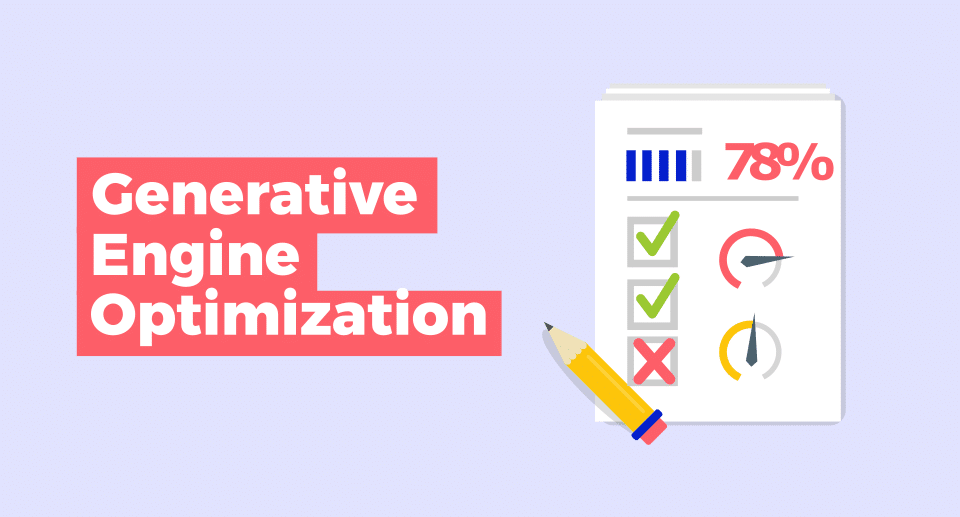
: Use tools like HubSpot’s AI Search Grader to identify gaps in your AI readiness10.
-
: AI often aggregates information from multiple sources. Ensure your brand is cited across reputable sites through PR outreach and partnerships 7, 10.
-
: Anticipate how users phrase queries in chatbots (e.g., “Compare X vs Y”) and mirror this language in your content 4, 9.
-
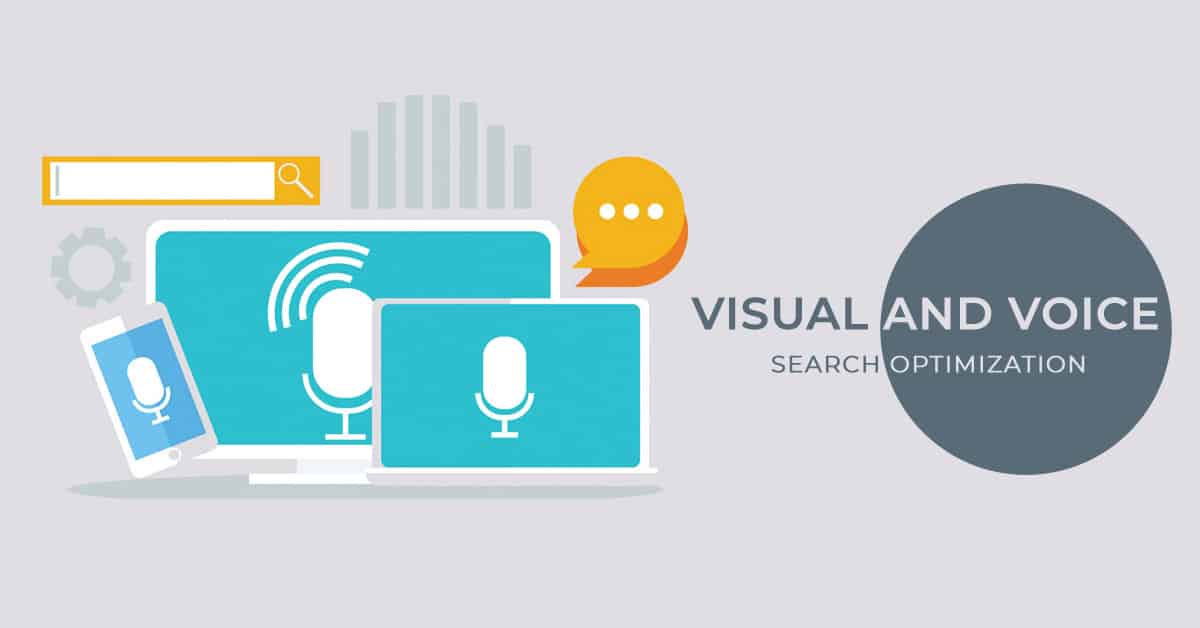
: Use descriptive filenames for images and structure content for voice-activated queries 2, 7.
-
: AI tools increasingly prioritize quizzes, calculators, and AR/VR integrations for user engagement 2, 8.
-
: Track how often your content appears in AI-generated answers using tools like BrightEdge or STAT Analytics 6, 7.

| Platform | Key Optimization Tips |
|---|---|
| Focus on FAQs, troubleshooting guides, and comparison pages. Use plain language and avoid jargon 9. | |
| Prioritize E-E-A-T and schema markup. Align content with Google’s “Helpful Content” guidelines 4, 5. | |
| Provide concise, data-backed answers with inline citations. Use bullet points for clarity 1, 8. | |
| Emphasize privacy-focused content and ensure compatibility with Brave’s anti-tracking protocols 10. | |
| Optimize for technical and academic queries. Include code snippets and research citations 5, 9. |
As AI reshapes search, websites must adopt a dual strategy: refining traditional SEO while embracing GEO tactics. By improving crawlability, aligning content with AI query patterns, and building authority, you can secure visibility across both organic and generative search results. Regularly audit your performance, experiment with emerging formats like interactive content, and stay ahead of AI’s evolving algorithms to maintain a competitive edge in 2025 and beyond.
Other Great Posts Offering Great SEO & AI Advice on the Same Topic:
-
Mastering SEO in the Age of AI: Essential Strategies for Enhanced Visibility
-
Unlocking AI Visibility: Strategies for Websites to Thrive in the Age of Generative Search
-
Future-Proofing Your Digital Presence: How to Optimize for AI Search Engines While Mastering Traditional SEO
-
Elevating Your Website’s Visibility in the Age of AI: Advanced Strategies Beyond Traditional SEO
-
How to Optimize Your Website for AI Queries: A Comprehensive Guide to Staying Ahead in the Age of Generative Search Engines
-
Preparing for AI-Driven Search
-
Mastering SEO for AI-Driven Search Engines: How to Optimize Your Website for ChatGPT, Gemini, Perplexity, and More
-
Beyond SEO: Optimizing Your Website for AI-Powered Search and Generative Content
-
The Ultimate Guide to Artificial Intelligence Search Engine Optimization (With Expert Tips)
