
By Devin, Seattle Organic SEO Staff Writer, Less than 2 years of SEO Writing Experience
The rise of artificial intelligence (AI) and generative search engines like ChatGPT, Google Gemini, Brave’s Leo, DeepSeek, and Perplexity.ai has transformed how users search for information. Traditional SEO strategies are no longer enough to ensure visibility in this new landscape. To stay competitive, website owners must adapt their strategies to align with how AI tools process and deliver information. In this blog post, we’ll explore actionable steps to optimize your website for AI queries, ensuring you show up more often in AI-driven search results.
Why Optimizing for AI Queries Matters
Generative AI tools are changing the way users interact with search engines. Instead of typing keywords into a search bar, users are now asking conversational questions like:
- “What are the best strategies for optimizing a website for AI?”
- “How can I improve my website’s visibility in ChatGPT responses?”
These tools rely on vast datasets, natural language processing (NLP), and contextual understanding to provide answers. If your website isn’t optimized for AI queries, you risk being left out of these responses, even if you rank well on traditional search engines like Google.
How AI Search Engines Work
Before diving into optimization strategies, it’s important to understand how AI search engines operate:
- Data Crawling and Indexing: AI tools crawl websites to gather information, similar to traditional search engines.
- Natural Language Processing (NLP): AI tools analyze the context and intent behind user queries to provide relevant answers.
- Content Summarization: AI tools often summarize information from multiple sources to provide concise answers.
- Citation and Attribution: Many AI tools cite sources, making it crucial for your website to be a trusted reference.
By understanding these processes, you can tailor your website to meet the needs of AI-driven search engines.
10 Strategies to Optimize Your Website for AI Queries
1. Focus on High-Quality, Authoritative Content
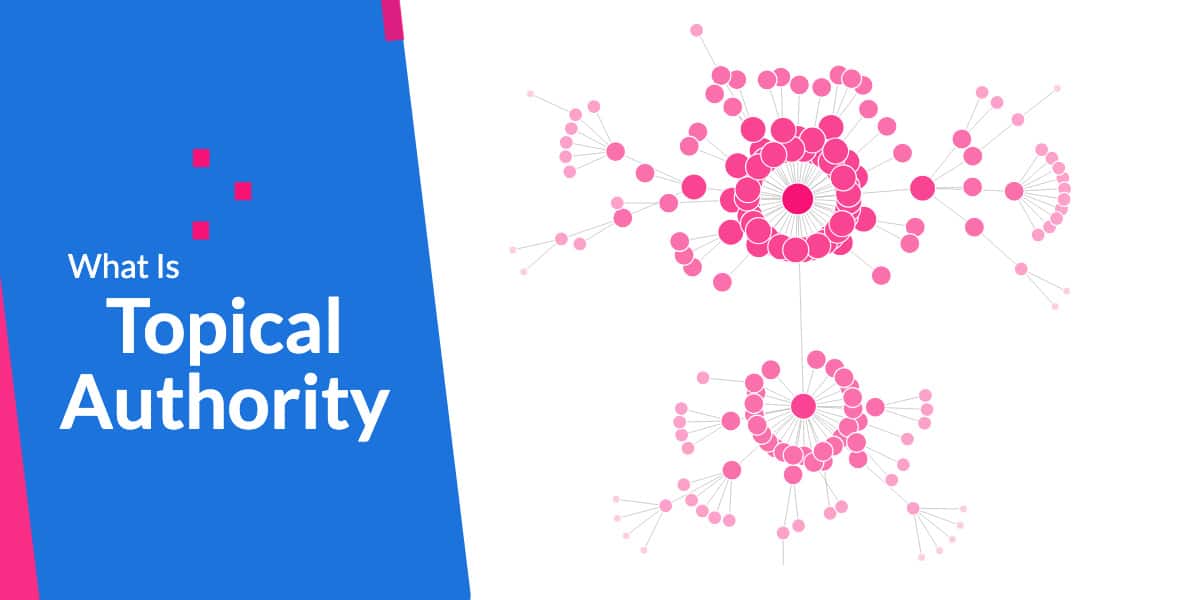
- Publish in-depth, comprehensive articles that answer common questions in your niche.
- Use data, statistics, and expert opinions to back up your claims.
- Regularly update your content to ensure it remains relevant and accurate.
Example: If you run a fitness blog, create a detailed guide on “How to Build Muscle Naturally” instead of a generic post like “Fitness Tips.”
2. Structure Your Content for NLP
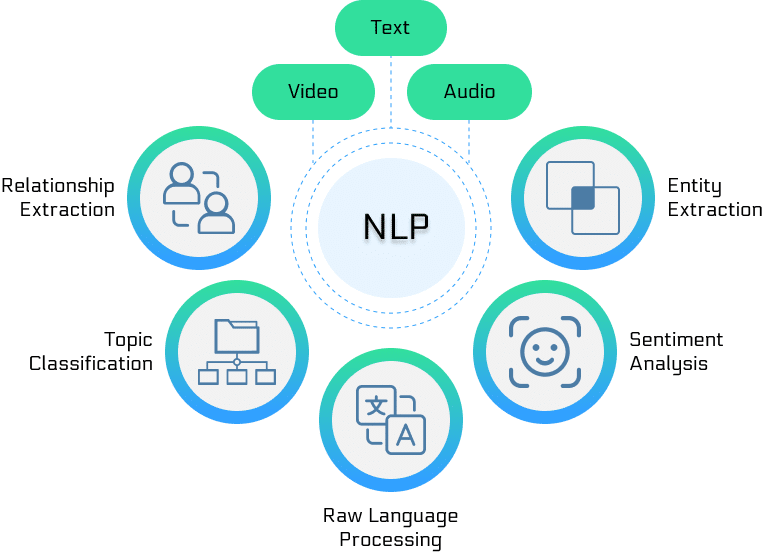
- Use clear headings (H1, H2, H3) to organize your content.
- Write in a conversational tone that matches how users ask questions.
- Include FAQs and answer common questions directly within your content.
Example: Instead of writing, “Protein is important for muscle growth,” write, “Why is protein important for muscle growth, and how much should you consume daily?”
3. Optimize for Long-Tail Keywords and Conversational Phrases
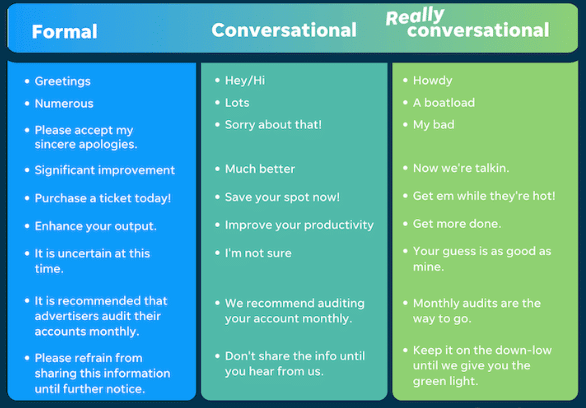
- Use tools like AnswerThePublic or SEMrush to identify conversational queries.
- Incorporate phrases like “how to,” “what is,” and “why does” into your content.
Example: Instead of targeting “SEO tips,” target “How can I improve my website’s SEO for AI search engines?”
4. Leverage Structured Data and Schema Markup
 Structured data helps AI tools understand the context of your content. Use schema markup to highlight key information:
- Add FAQ schema to your pages to make your content more accessible to AI.
- Use article schema for blog posts and product schema for e-commerce sites.
Example: If you have a recipe blog, use recipe schema to highlight ingredients, cooking time, and nutritional information.
5. Build a Strong Backlink Profile
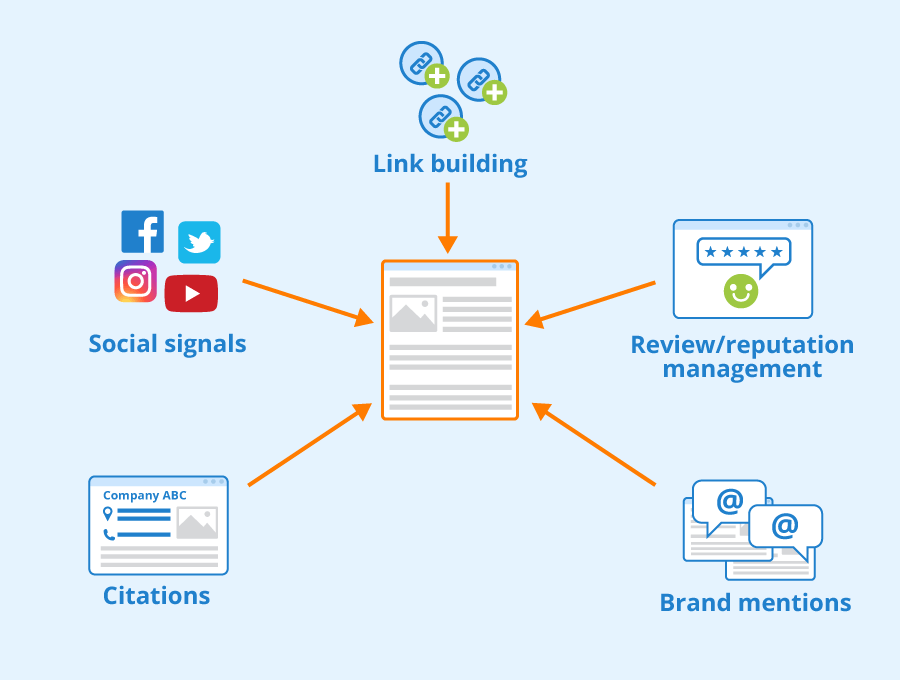 AI tools often prioritize content from trusted, authoritative sources. Build a strong backlink profile by:
- Guest posting on reputable websites in your niche.
- Earning mentions from industry influencers and thought leaders.
- Creating shareable content that naturally attracts backlinks.
Example: Publish a groundbreaking study or report in your industry and promote it to relevant websites.
6. Optimize for Featured Snippets
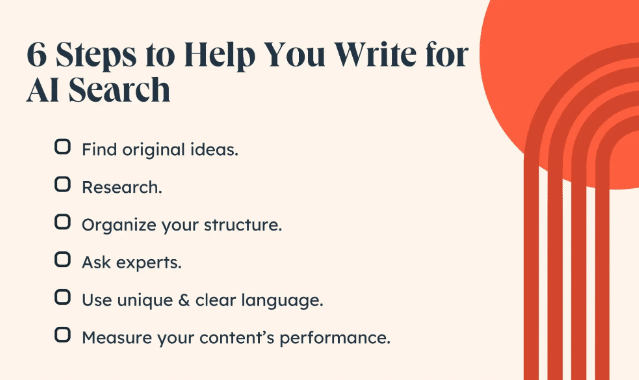
- Provide concise, direct answers to common questions.
- Use bullet points, tables, and numbered lists to organize information.
- Place key information near the top of your page.
Example: If you’re writing about “How to Optimize for AI Queries,” include a bulleted list of steps at the beginning of your post.
7. Create Content for Voice Search
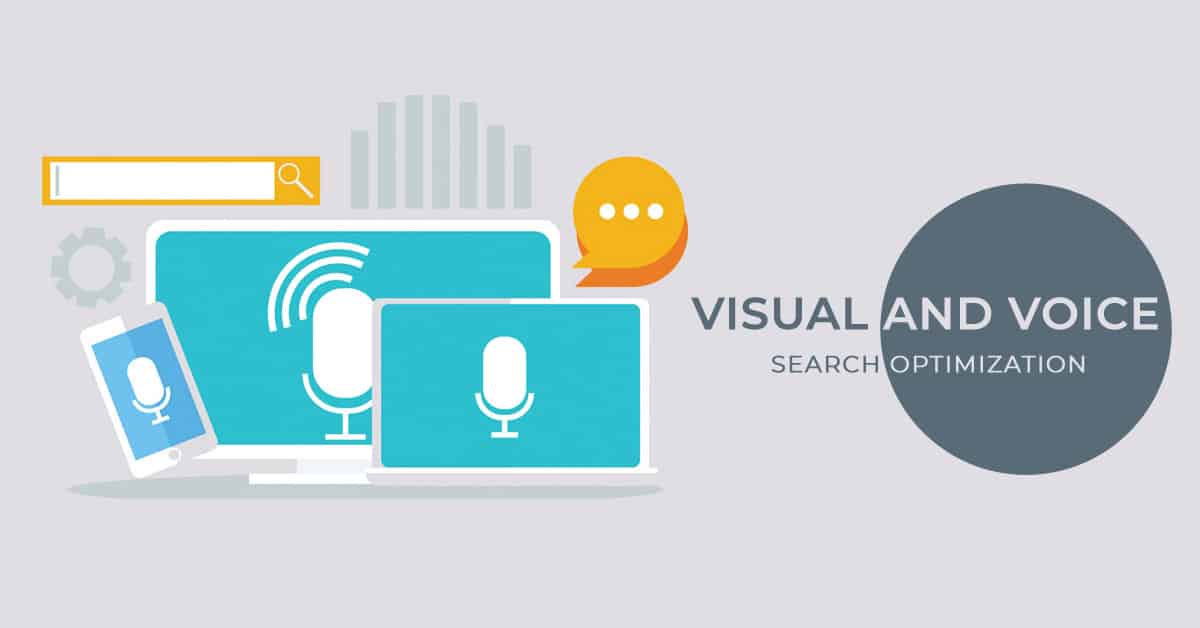
- Using shorter sentences and simpler language.
- Including question-and-answer formats in your content.
- Targeting local keywords if you have a physical business.
Example: Instead of “Best restaurants in New York,” target “What are the best restaurants in New York for Italian food?”
8. Focus on User Experience (UX)

- Ensuring your website loads quickly (under 3 seconds).
- Making your site mobile-friendly.
- Using clear navigation and intuitive design.
Example: Use tools like Google PageSpeed Insights to identify and fix performance issues.
9. Monitor and Adapt to AI Trends

- Keeping up with updates from AI tools like ChatGPT, Gemini, and Perplexity.ai.
- Experimenting with new content formats, such as video or interactive content.
- Analyzing your website’s performance in AI-driven search results.
Example: Use analytics tools to track how often your content is cited by AI tools and adjust your strategy accordingly.
10. Engage with AI Communities

- Stay informed about how users interact with AI tools.
- Identify gaps in your content strategy.
- Build relationships with influencers in the AI space.
Example: Join forums like Reddit’s r/ChatGPT or LinkedIn groups focused on AI and SEO.
Additional Tips for Visibility in AI Chatbots
- Be a Trusted Source: AI tools prioritize content from reputable sources. Build trust by consistently publishing high-quality, accurate content.
- Use Clear Citations: If you reference studies, data, or other sources, cite them clearly to increase your credibility.
- Optimize for Multimodal Content: AI tools are increasingly incorporating images, videos, and audio. Use multimedia content to enhance your visibility.
- Leverage AI Tools Yourself: Use tools like ChatGPT to identify gaps in your content and generate ideas for new topics.
Conclusion
The rise of AI-driven search engines presents both challenges and opportunities for website owners. By optimizing your website for AI queries, you can ensure your content remains visible and relevant in this new era of search. Focus on creating high-quality, structured content, leveraging schema markup, and staying ahead of AI trends. With the right strategies, you can position your website as a go-to resource for both users and AI tools.
Final Advice for Website Owners
- Stay Agile: AI technology is constantly evolving. Be prepared to adapt your strategies as new tools and trends emerge.
- Test and Iterate: Experiment with different optimization techniques and analyze their impact on your visibility in AI-driven search results.
- Collaborate with Experts: Consider working with SEO and AI specialists to develop a comprehensive strategy tailored to your website.
By following these steps, you’ll not only improve your website’s visibility in AI queries but also future-proof your online presence in the age of generative search engines.
Let us know if you need further assistance or additional details!
Other Great Posts Offering Great SEO & AI Advice on the Same Topic:
-
Mastering SEO in the Age of AI: Essential Strategies for Enhanced Visibility
-
Unlocking AI Visibility: Strategies for Websites to Thrive in the Age of Generative Search
-
Future-Proofing Your Digital Presence: How to Optimize for AI Search Engines While Mastering Traditional SEO
-
Elevating Your Website’s Visibility in the Age of AI: Advanced Strategies Beyond Traditional SEO
-
Preparing for AI-Driven Search
-
Mastering SEO for AI-Driven Search Engines: How to Optimize Your Website for ChatGPT, Gemini, Perplexity, and More
-
Beyond SEO: Optimizing Your Website for AI-Powered Search and Generative Content
-
Preparing Your Website for AI-Driven Search: A 2025 Guide to Dominating SEO and Generative Engine Results
-
The Ultimate Guide to Artificial Intelligence Search Engine Optimization (With Expert Tips)